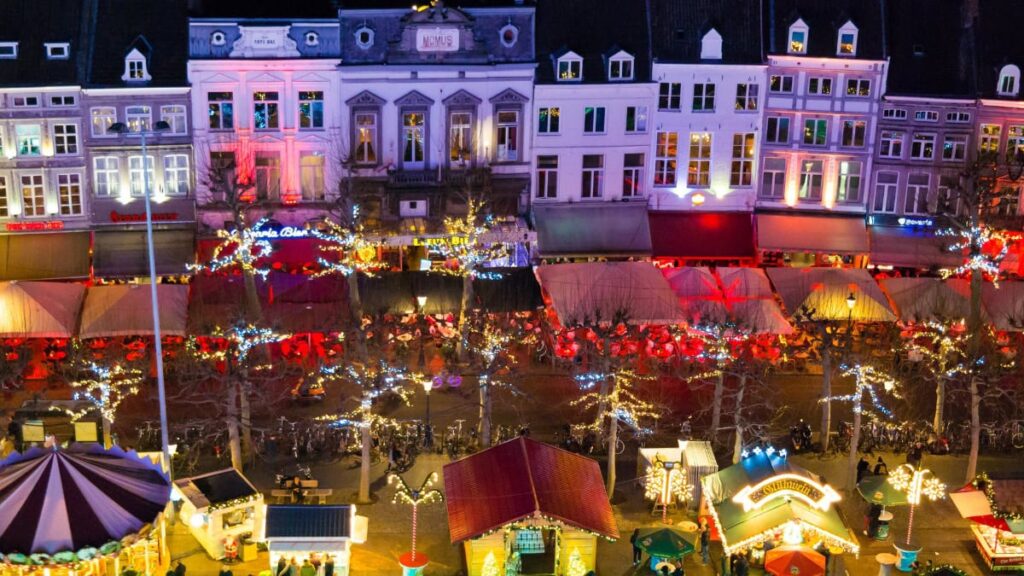
Planning a trip across the Atlantic often begins with one practical question, where to stay in Netherlands for USA visitors. Many Americans automatically look at Amsterdam and stop there. While Amsterdam is an obvious starting point, The Netherlands is compact, well connected, and regionally diverse. Choosing where to base yourself shapes how you experience the country, from museum visits and canal walks to train rides through historic towns and modern architecture. Understanding geography, transportation, and city character makes it easier to decide whether to stay in a major City, a smaller historic center, or a more central location outside the urban core. The decision is less about distance and more about travel style, pace, and priorities.
Understanding the Scale of The Netherlands
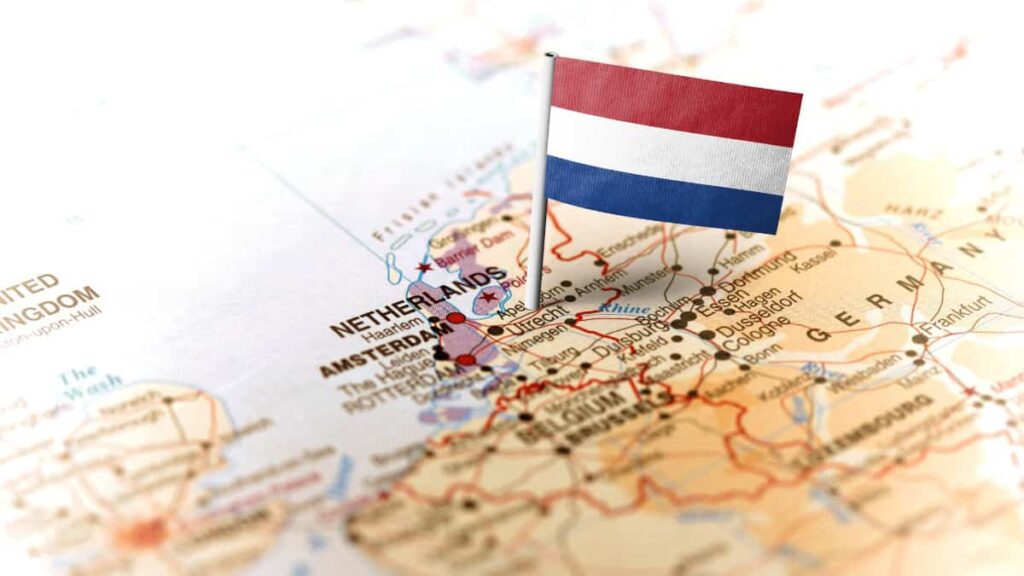
The Netherlands is smaller than many U.S. states. Distances between major cities are short, and train connections are frequent. From Amsterdam Centraal Station, you can reach Utrecht in about half an hour, Rotterdam in under an hour, and The Hague in roughly the same time. Even cities such as Maastricht in the south or Groningen in the north are manageable by train ride within a few hours.
For American travelers used to long drives between destinations, the Dutch system of public transport feels efficient and centralized. Schiphol Airport is directly connected to the national rail network, so you can step off your flight and board a train to your chosen destination without renting a car.
This compact scale makes one location travel realistic. You can sleep in one place and explore a wide range of cities, museums, and landscapes during day trips.
Staying in Amsterdam
Neighborhood Character
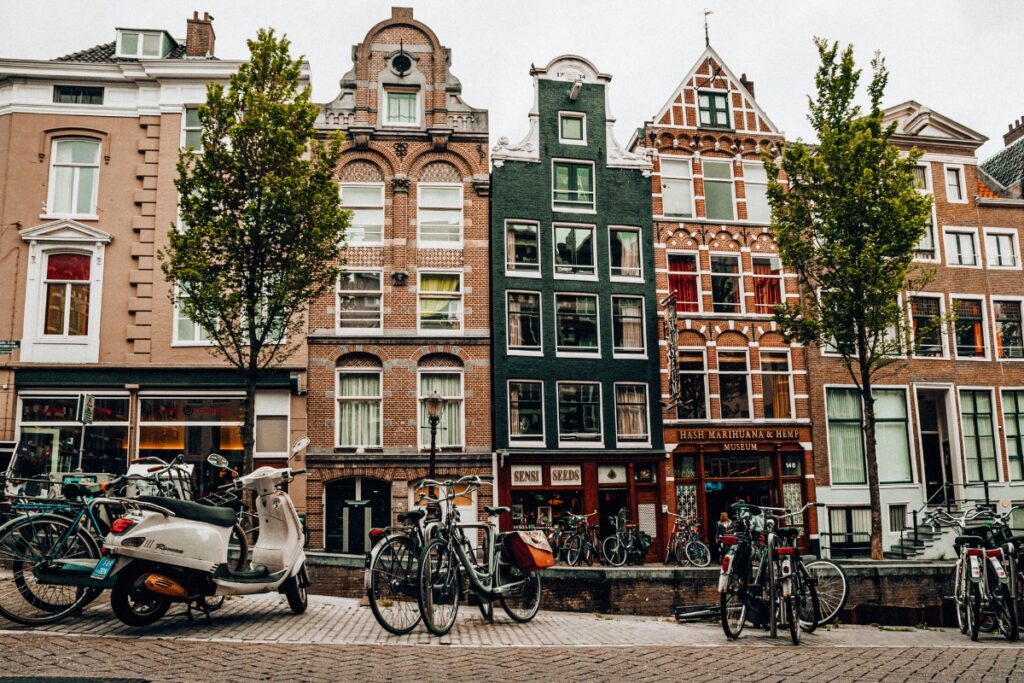
Amsterdam remains the most common base for international visitors. The historic Canal Ring, a UNESCO World Heritage Site, offers proximity to Dam Square, the Royal Palace, and major museums. The Rijksmuseum, Van Gogh Museum, and Anne Frank House are all within reach by tram or on foot depending on your neighborhood.
Areas such as Jordaan provide narrow alleys, independent boutiques, and a residential feel. Oud Zuid is known for museums and elegant streets. De Pijp and Oud West attract visitors who enjoy local markets like Albert Cuyp Market and spaces such as Foodhallen. Oost is quieter and more residential, close to parks and the IJ River.
Pros and Considerations
Amsterdam offers density of attractions and cultural depth. You can combine architecture, arts, and daily Dutch life within walking distance. However, it is also the busiest and most expensive accommodation market in the country. Hotels follow a European star system, and options range from large international chains to boutique properties such as Pillows Grand Boutique Hotel Maurits at the Park or Pestana Amsterdam Riverside. Airbnb and private rooms are available but regulated.
For travelers who want to be in the center of activity and minimize daily commuting, Amsterdam is practical. For those seeking a slower pace, other cities may offer a different experience.
Rotterdam, Utrecht, and The Hague
Rotterdam
Rotterdam presents a contrast to Amsterdam. Rebuilt after World War II, it is known for modern architecture, including the Cube Houses, Markthal, and Depot Boijmans Van Beuningen. The city feels contemporary and international. Public transportation connects it easily to Amsterdam and The Hague, and the Waterbus adds regional flexibility.
Rotterdam suits travelers interested in design, urban development, and a less traditional setting.
Utrecht
Utrecht sits in the geographic center of the country. Its historic center features canals with lower level wharves, medieval churches, and a lively university atmosphere. Because of its central train station and location, Utrecht works well as a base for exploring the Randstad region, which includes Amsterdam, Rotterdam, and The Hague.
For visitors who want shorter train times in multiple directions, Utrecht is strategically positioned.
The Hague
The Hague combines political significance with coastal access. It hosts government institutions and international courts, yet it is also close to the beach at Scheveningen. The city offers museums and a refined atmosphere. It is less crowded than Amsterdam but equally connected by rail.
Smaller Cities with Historic Character
Cities such as Haarlem, Delft, and Leiden provide a more intimate setting. Haarlem is just a short train ride from Amsterdam and offers canals, a compact historic center, and access to tulip fields in spring. Delft is known for its blue and white tile tradition and walkable streets. Leiden combines university culture with museums and proximity to Keukenhof Gardens.
These locations allow visitors to experience Dutch daily life beyond the capital. Train connections make it possible to visit major attractions while returning to a quieter environment at night.
Further afield, Maastricht offers Limburg hospitality and a different regional identity, while Groningen and Leeuwarden reflect northern Dutch culture. Even smaller towns such as Amersfoort or Zwolle provide historic architecture without large crowds.
Accommodation Types in The Netherlands
American travelers will find a wide range of accommodation. Traditional hotels dominate city centers, ranging from large properties near Centraal Station to small boutique establishments. Bed and breakfast options are common in smaller towns.
Hostels are organized through networks such as Stayokay and the Dutch hostelling association, often part of the HI registered hostels system. These can provide private rooms in addition to dormitories. Campsites, trekkershutten, and platforms such as Eurocampings appeal to outdoor focused visitors.
Airbnb listings exist in most cities, though regulations vary. For travelers seeking space and a residential atmosphere, bungalow parks are a distinct Dutch concept. A centrally located park such as Bungalowpark ’t Eekhoornnest allows visitors to stay outside major cities while using train connections or a car for day trips. This approach can be practical for families or longer vacations.
Transportation and Practical Considerations
Public transportation in The Netherlands is reliable and English signage is widespread. Dutch people generally speak English fluently, making communication straightforward. From Schiphol, trains connect directly to Amsterdam, Rotterdam, Utrecht, and beyond.
Car rental companies such as Hertz or Sixt operate at transportation hubs, but many visitors rely solely on trains. When reviewing safety information, U.S. travelers can consult Travel Advisories and the Country Summary provided by the Department of State on Travel.State.Gov. The Netherlands is typically considered a stable destination, though general awareness in crowded areas is advised.
Because distances are short, staying near a train station often matters more than being in a specific tourist district.
Conclusion
Choosing where to stay shapes how you experience The Netherlands. Amsterdam offers concentration of museums, canals, and historic streets, while Rotterdam, Utrecht, and The Hague provide alternative perspectives within easy reach. Smaller cities such as Haarlem, Delft, and Leiden allow for a quieter base without sacrificing access. Thanks to efficient public transportation and short travel times, one location travel is realistic for many itineraries. By understanding geography, city character, and accommodation types, USA visitors can select a base that aligns with their pace and interests. Center of Holland provides structured guidance to help travelers interpret these regional differences and plan accordingly.
If you want a specific place to start looking, Soest in the province of Utrecht is the most central option, close enough to Amsterdam for a morning trip and quiet enough to come back to in the evening.