Planning a trip to the Netherlands often starts with Amsterdam, yet many travelers quickly realize they want more than canals and museums. Forests, castles, and quiet countryside are rarely part of the first image Americans have of the country. A well structured Utrechtse Heuvelrug travel guide helps bridge that gap. This region, located in the Dutch province of Utrecht, offers rolling woodlands, historic estates, and varied hiking and cycling routes within easy reach of major cities. For visitors looking to balance culture with nature, it provides a clear alternative to crowded urban centers while remaining centrally positioned between Amsterdam, Rotterdam, and the wider Randstad area.
Where the Utrechtse Heuvelrug Is and Why It Looks Different
The Utrechtse Heuvelrug lies east of the city of Utrecht and stretches south toward Rhenen. It forms a long, elevated ridge known as the Utrecht Ridge. Unlike much of the Netherlands, which is famously flat, this area has visible reliefs, gentle hills, and forested slopes.
Formed by the Ice Age
The landscape was shaped during the Saalian Glaciation, when massive ice sheets pushed up layers of sand and gravel. This glacial ridge created higher ground that still defines the region today. The variation in soil kinds supports diverse plantensoorten and wildlife, from heathlands and meadows to dense pine forests.
For American visitors, the elevation changes are modest compared to the Rockies or Appalachians. Still, the difference is noticeable in a country known for flat terrain. Trails include measurable ascent and descent, making hikes feel more dynamic than typical Dutch countryside walks.
Utrechtse Heuvelrug National Park and Its Landscapes
At the heart of the region lies Utrechtse Heuvelrug National Park, a large nature reserve known for biodiversity and quiet trails. It includes forests, open heathlands, drifting sands, and occasional sand dunes that resemble miniature desert landscapes.
Hidden Nature and Wildlife
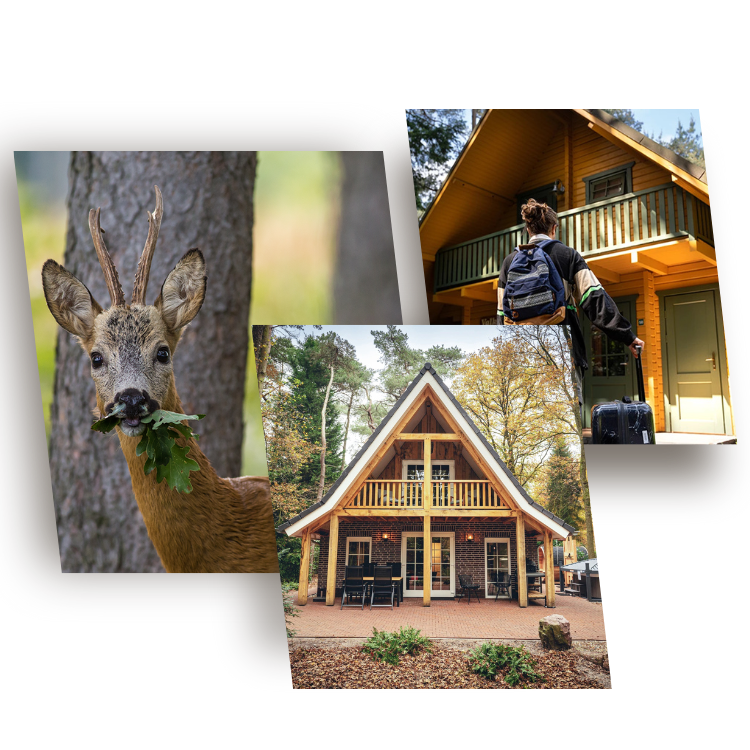
The park is home to deer, birds of prey, and species such as the European badger and European pine marten. Bird watching is popular, particularly in transitional zones between forest and meadow. Ecoduct Mollebos, a wildlife bridge crossing a major road, demonstrates Dutch efforts in reforestation and ecological connectivity.
Autumn colors are especially striking, with deep reds and golds covering the ridge. In spring, blooming heathlands create purple fields across open areas.
Hiking Trails and Station to Station Routes
Hiking is one of the main reasons outdoor enthusiasts visit the region. Well marked trails range from short loops to longer hiking trips that connect train stations.
What to Expect in Terms of Difficulty
Most hiking trails are considered easy to moderate. Difficulty depends on duration rather than steepness. Typical hikes range from 3 to 10 miles. Ascent and descent are gradual, making them accessible to reasonably active travelers.
Station to station hikes are a practical option. For example, walking between Driebergen Zeist station and Maarn station allows you to cross forest sections and heathlands without needing a car. Public transport in the Netherlands is efficient, so returning to your starting point is straightforward.
Popular areas include Landgoed Bornia and the surroundings of Driebergen and Zeist. Trails are clearly signposted, often referred to locally as Bospad, meaning forest path.
Cycling Routes Across the Ridge
Cycling is deeply embedded in Dutch culture, and the Utrechtse Heuvelrug offers some of the most scenic cycling routes in the country. Unlike the flat landscapes around Amsterdam, here you encounter gentle hills that add variation to a bicycle ride.
Marked cycling routes connect villages such as Rhenen, Veenendaal, Woudenberg, and Renswoude. Longer biking trails can be combined into day trips of 20 to 40 miles, depending on experience.
For American visitors accustomed to recreational cycling trails, the infrastructure may feel surprisingly advanced. Dedicated bike paths run through forests and alongside estates, often separated from car traffic.
Castles, Estates, and Heritage
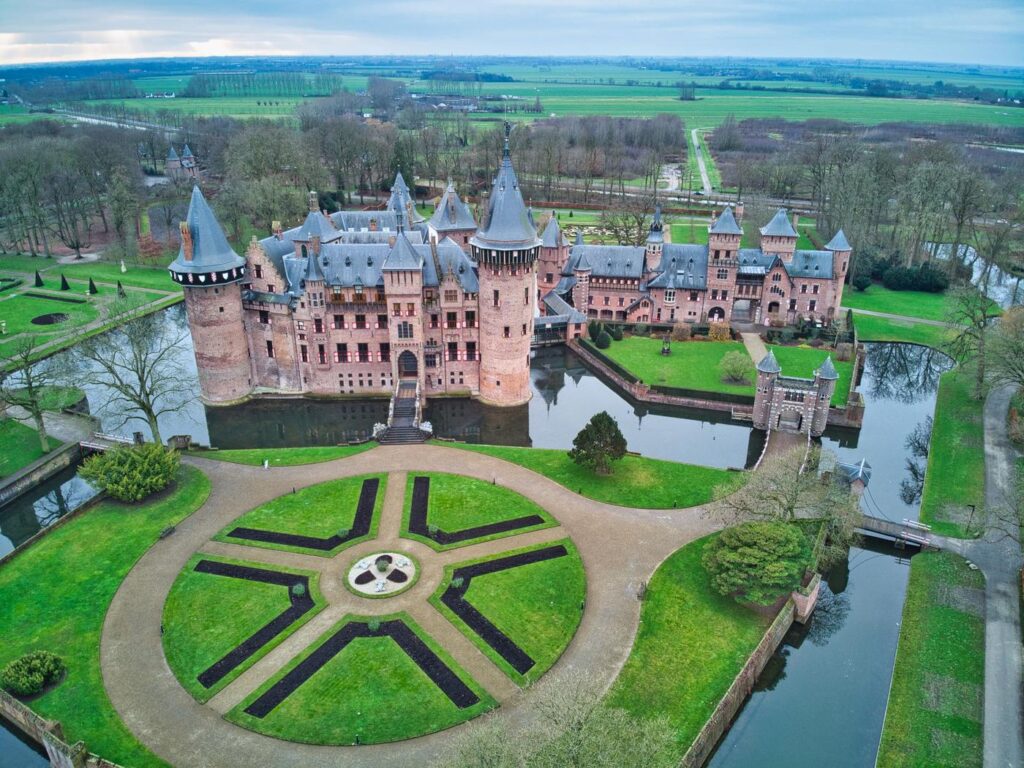
The region is not only about nature. It is also known for kastelen, landgoederen, and historic estates that reflect centuries of Dutch heritage.
Royal and Noble Connections
Many estates were once owned by influential families, sometimes referred to as united states estates in historic texts, meaning autonomous landed properties. Nearby Zeist and Driebergen feature manor houses surrounded by landscaped gardens.
The Pyramide van Austerlitz, built during the Napoleonic era, highlights military heritage in the area. Casemates and defensive structures are reminders of strategic importance during various conflicts.
A short train ride brings you into Utrecht city, where landmarks such as the Dom Tower, Domkerk, Janskerk, and Pieterskerk reflect medieval history. Grand Hotel Karel V is located in a former monastery complex linked to Emperor Karel V.
Practical Information and Distances
One of the advantages of the Utrechtse Heuvelrug is its central location.
From Schiphol Airport, trains reach Utrecht in about 30 minutes. From there, local trains connect to Driebergen Zeist station or Maarn station in under 15 minutes. The distance from Amsterdam is roughly 30 miles, comparable to traveling from Manhattan to parts of suburban New Jersey. Rotterdam is about 40 miles away.
Because the Netherlands is compact, staying in this region allows easy day trips to Amsterdam, Rotterdam, or even Eindhoven, while returning each evening to quiet countryside.
Where to Stay in the Countryside
Accommodations in the region range from small lodges and camping sites to holiday parks and sustainable holiday homes. Tenting is available in designated areas within or near the forest.
For travelers who want to combine outdoor access with comfort, a forest based holiday park such as Bungalowpark ’t Eekhoornnest offers private cottages surrounded by trees. Its location near hiking and cycling routes makes it a logical base for exploring both the national park and nearby heritage sites. Staying in such a setting supports a one location travel approach, reducing the need to change hotels while exploring the wider Netherlands.
Local Tips and Culinary Hotspots
Smaller towns around the ridge offer regional products and relaxed dining. Local bakeries, farm shops, and seasonal markets provide insight into daily life outside major cities. Foodies can explore traditional Dutch dishes as well as modern interpretations in countryside restaurants.
Combining outdoor activities with visits to castles and local museums creates a balanced itinerary. Photography enthusiasts will find strong contrasts between forests, heathlands, and historic architecture.
Conclusion
The Utrechtse Heuvelrug offers a different perspective on the Netherlands. Shaped by prehistoric times and the Ice Age, the glacial ridge creates varied landscapes rarely associated with the country. Forests, heathlands, cycling routes, and castles come together within short distances of major cities.
For international travelers seeking both nature and heritage, this region provides structure and accessibility. Efficient public transport, manageable hiking trails, and central positioning within the Netherlands make it practical as well as scenic. As a guide to the central Netherlands, Center of Holland helps place the Utrechtse Heuvelrug in context, showing how countryside, culture, and connectivity can shape a well balanced trip.
The nearest town at the northern end of the ridge is Soest, which sits between the Soesterduinen and the woods and makes an easy base for walking and cycling here.