Dutch culture is often described as direct, practical, and refreshingly down to earth, but those words only scratch the surface. For visitors to the Netherlands, especially those coming from the United States or Canada, the country can feel familiar in its organization yet surprising in its social habits, traditions, and daily rhythms. Understanding a few key cultural facts makes traveling through the Netherlands smoother, more enjoyable, and far more meaningful.
The Netherlands is a small country with a big sense of identity. Shaped by water, trade, religion, and centuries of cooperation, Dutch society values structure, honesty, and balance. From cycling lanes woven into everyday life to national celebrations that bring entire cities together, culture in the Netherlands is not something you visit. It is something you experience constantly, often in quiet and unexpected ways.
Understanding Dutch Culture at a Glance
The Netherlands, officially known as the Kingdom of the Netherlands, is home to a diverse population with deep historical roots. Dutch society places a strong emphasis on equality, personal responsibility, and clear communication. This mindset influences everything from how meetings are scheduled to how neighbors interact.
The Dutch are known for saying what they mean and meaning what they say. This directness is rarely intended to be rude. Instead, it reflects a cultural preference for clarity and efficiency. Visitors often notice that conversations feel honest and practical, whether they are asking for directions, ordering food, or discussing plans.
Languages also play an important role. While Dutch is the official language, English is widely spoken, particularly in cities such as Amsterdam, Utrecht, Rotterdam, and The Hague. This ease of communication often surprises visitors and contributes to how accessible the country feels.
Dutch History and the Roots of Modern Society
Much of modern Dutch culture can be traced back to the Dutch Golden Age of the 17th century. During this period, the Netherlands became a global trading power through organizations such as the Dutch East India Company. Wealth flowed into cities, fueling art, science, and architecture that still define the country today.
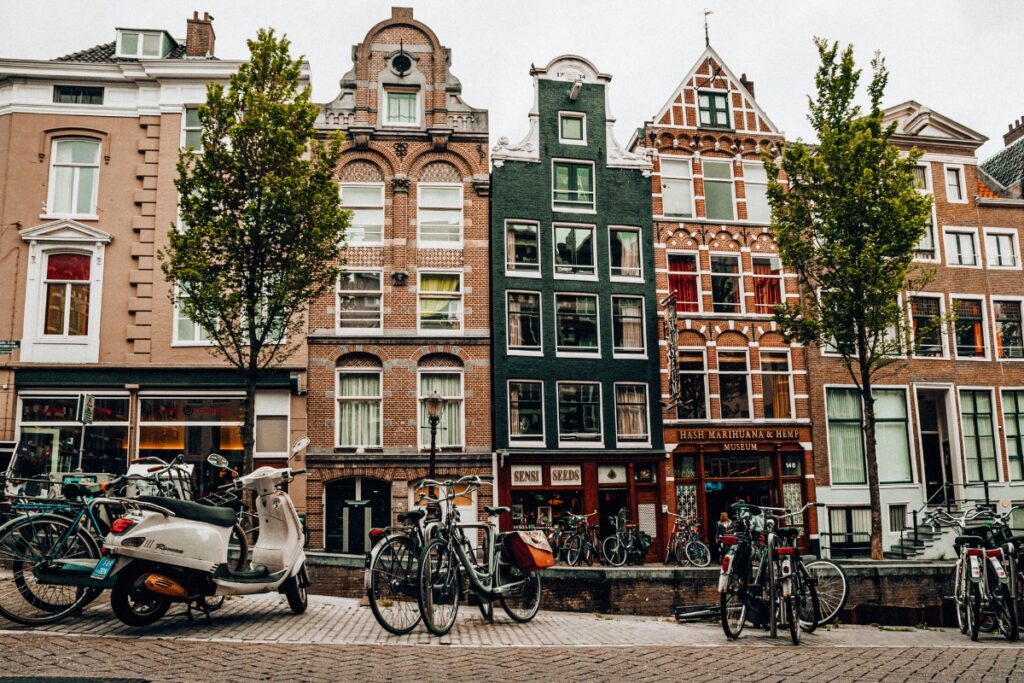
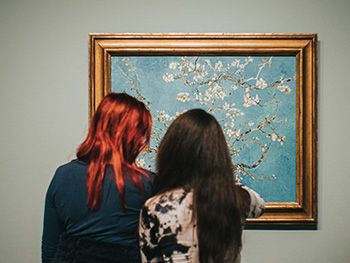
Artists like Rembrandt, Johannes Vermeer, and later Vincent van Gogh helped shape a cultural legacy that remains deeply respected. Their work reflects not only artistic innovation but also everyday Dutch life, landscapes, and values. History is not locked away in textbooks here. It is visible in canal houses, city layouts, and museums across the country.
Events such as Tulip Mania and the Union of Utrecht highlight how trade, cooperation, and risk-taking shaped Dutch identity. These historical experiences contributed to a society that values planning, consensus, and long-term thinking.
Royal Traditions and National Celebrations
The Dutch monarchy plays a visible but largely symbolic role in society. King Willem-Alexander represents continuity rather than authority, and the royal family is generally viewed with a sense of familiarity rather than formality.
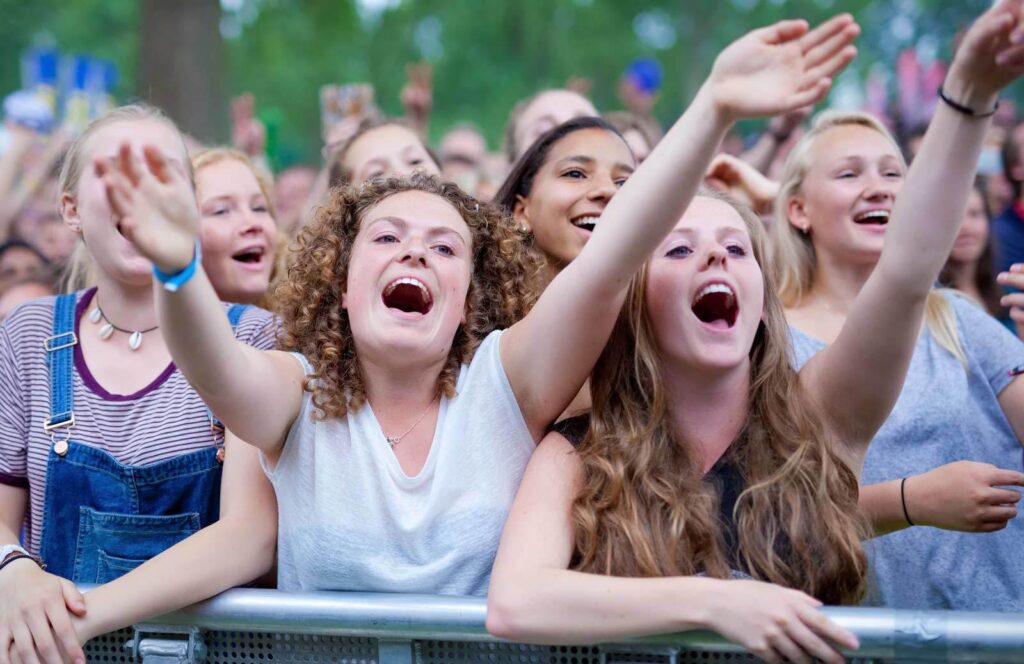
King’s Day is one of the most recognizable national celebrations. On this day, cities turn orange in honor of the House of Orange, and streets fill with music, markets, and informal gatherings. It is one of the few moments when the normally orderly Dutch embrace collective spontaneity.
Sinterklaas is another deeply rooted tradition, particularly for families. This celebration, held in early December, centers on storytelling, gift-giving, and childhood imagination. Liberation Day, commemorating the end of World War II in the Netherlands, reflects the country’s strong awareness of freedom, democracy, and historical memory.
Daily Life and Social Habits in the Netherlands
Daily life in the Netherlands is defined by structure and predictability. Punctuality is taken seriously, and schedules matter. Meetings are planned in advance, and being on time is seen as a sign of respect. This applies equally to professional settings and personal appointments.
Decision making often follows a consensus-based approach. Opinions are shared openly, and discussion is encouraged before reaching agreement. While this can feel slow to outsiders, it reflects a long-standing cultural belief in cooperation and fairness.
Dutch quirks often surprise visitors in small ways. Lunch is typically simple, dinners are planned rather than spontaneous, and personal space is respected. At the same time, social interactions feel relaxed and informal, without rigid hierarchies.
Cycling, Water, and the Dutch Landscape
Cycling is not a hobby in the Netherlands. It is a way of life. Dedicated cycling lanes, integrated traffic systems, and everyday use of bicycles shape how cities function and how people move. From children to seniors, cycling is part of daily routine rather than recreation.
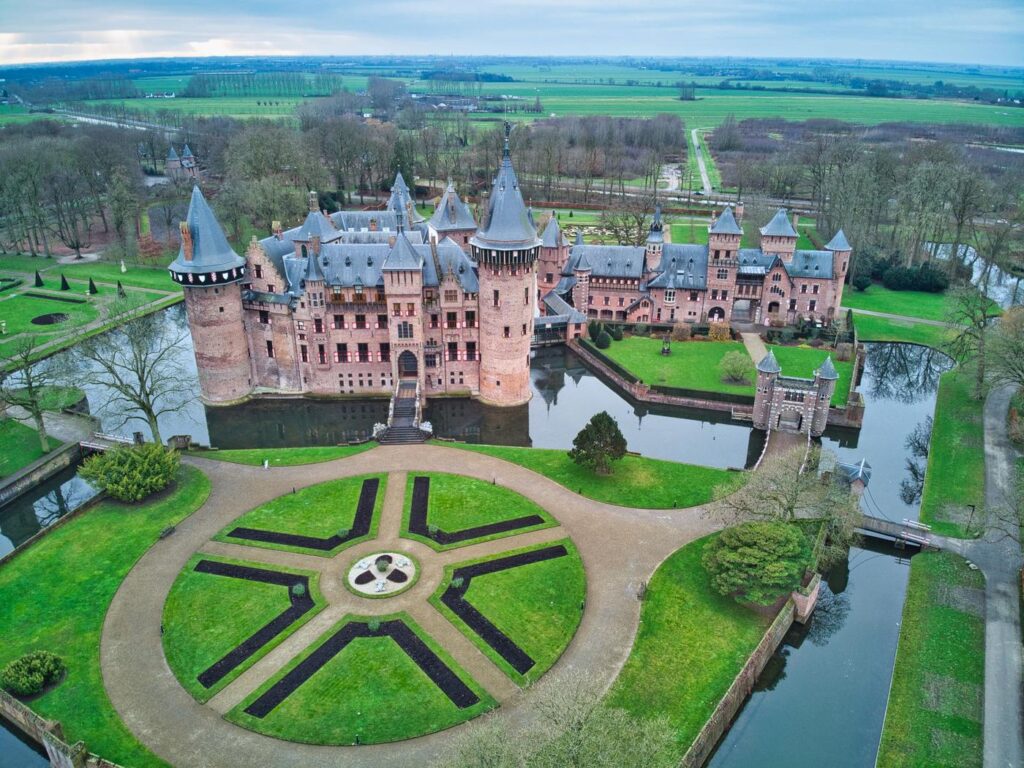
Water management is another defining element of Dutch culture. Canals, dikes, and windmills are not just picturesque symbols. They represent centuries of engineering, cooperation, and survival below sea level. The Dutch relationship with water has shaped their mindset, reinforcing the importance of planning and collective responsibility.
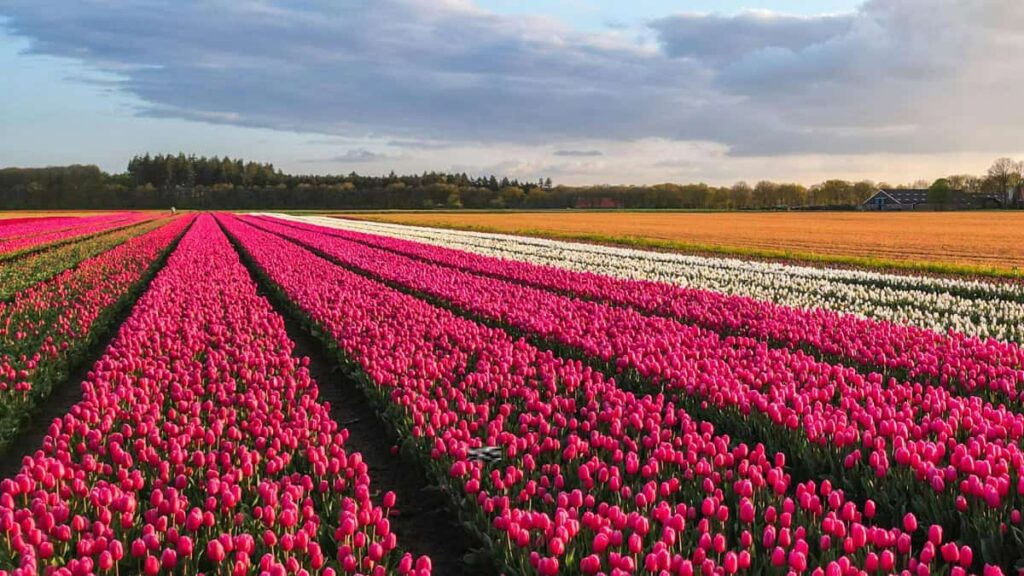
Tulips, flower bulbs, and carefully managed landscapes reflect a similar balance between nature and control. Places like Keukenhof Park showcase this connection, blending beauty with precision.
Food, Drink, and Everyday Comfort
Dutch food is simple, hearty, and closely tied to tradition. Cheeses such as Gouda and Edam are internationally known, but everyday cuisine focuses more on comfort than complexity. Snacks like the kroket or a casual beer at the end of the day reflect a culture that values familiarity over extravagance.
Drinks like jenever, a traditional Dutch spirit, connect modern life to historical customs. Food culture in the Netherlands is less about ceremony and more about practicality, reflecting broader social values.
Religion and Belief in Modern Dutch Society
Religion has played a significant role in shaping Dutch society, particularly through Protestantism, Calvinism, and Roman Catholic traditions. These influences helped shape attitudes toward work, discipline, and social responsibility.
Today, the Netherlands is largely secular, with a diverse mix of beliefs including Christianity, Islam, Buddhism, and Hinduism. Tolerance and freedom of belief are central principles, supported by the Dutch constitution and democratic institutions such as the Eerste Kamer and Tweede Kamer.
Religion is generally considered a private matter, and public life emphasizes shared civic values over personal belief.
Art, Museums, and Cultural Identity
Art and culture remain central to Dutch identity. Museums dedicated to Rembrandt, Vermeer, Van Gogh, and the Anne Frank House attract visitors from around the world, but they also serve as places of reflection for locals.
Art is not treated as distant or elite. It is woven into public spaces, education, and everyday conversation. This accessibility reflects a broader cultural belief that knowledge and culture should be shared rather than guarded.
Why Understanding Dutch Culture Makes Travel Easier
Understanding Dutch culture helps visitors navigate the country with confidence. Knowing why punctuality matters, how communication works, and what values shape daily life leads to smoother interactions and deeper appreciation.
When travelers understand the cultural context behind cycling lanes, canal systems, national celebrations, and social habits, the Netherlands becomes more than a collection of sights. It becomes a living, coherent society.
For visitors who take the time to learn these cultural facts, traveling through the Netherlands feels less like observing from the outside and more like participating, even briefly, in a way of life shaped by history, cooperation, and thoughtful design.