Dutch customs and etiquette can feel refreshingly straightforward to some visitors and slightly confusing to others. Travelers from the United States and Canada often notice that daily interactions in the Netherlands are polite but direct, informal yet structured. Understanding a few unwritten rules makes a surprising difference. It helps conversations flow more easily, avoids social faux pas, and allows you to feel comfortable rather than constantly wondering whether you are doing something wrong.
Dutch society values clarity, honesty, and mutual respect. This shows up everywhere, from how meetings are scheduled to how people greet each other, behave in public spaces, and communicate their opinions. While the Netherlands is known for tolerance and openness, it is also a country with clear social norms. These norms are rarely explained out loud, but once you recognize them, Dutch culture becomes far more approachable.
Greetings and First Impressions
In the Netherlands, greetings are simple and efficient. A handshake is common when meeting someone for the first time, whether in a professional or social setting. It is usually brief and accompanied by eye contact. Titles are rarely emphasized. People tend to address each other by first name, even in the workplace, reflecting the country’s strong sense of egalitarianism.
Direct eye contact during conversation is considered normal and shows engagement rather than confrontation. Visitors sometimes interpret this as intense, but for the Dutch it signals honesty and attention. Smiling is friendly, but exaggerated enthusiasm can feel unnatural. A calm, relaxed demeanor is generally appreciated.
Directness, Honesty, and Communication Style
One of the most noticeable aspects of Dutch etiquette is directness. Dutch people are known for speaking openly and getting straight to the point. This communication style is rooted in practicality rather than rudeness. Saying exactly what you think is seen as efficient and fair, especially in a consensus-driven society.
This blunt communication can surprise visitors at first. Feedback may be given without much cushioning, and opinions are often stated clearly even in group settings. Humor plays a role here as well. Dry humor and self-deprecation are common, and teasing is often a sign of familiarity rather than disrespect.
Understanding this culture of directness helps prevent misunderstandings. What might sound abrupt is usually meant to be helpful, not personal.
Time, Schedules, and Everyday Planning
Punctuality is an important part of Dutch etiquette. Being on time is considered respectful, whether you are meeting friends, attending a family dinner, or joining a work meeting. Schedules are taken seriously, and spontaneous changes are less common than in some other cultures.
Appointments are often planned well in advance, and calendars fill up quickly. Dropping by unannounced is generally discouraged. Even social visits are usually arranged ahead of time. This structured approach reflects a cultural preference for balance between personal time and social obligations.
Dining Customs and Social Invitations
Dutch dining customs are relaxed but orderly. Family dinner time is often early compared to North American standards, and meals are typically planned rather than spontaneous. Lunch tends to be light, while dinner is the main meal of the day.
If you are invited to someone’s home, bringing a small gift is appreciated. Flowers, chocolate, or wine are common choices. During meals, phrases like “Eet smakelijk” are used to wish others an enjoyable meal. Conversation at the table is informal, and everyone participates equally.
Splitting the bill is common in restaurants, even among close friends. Digital payment requests through apps like Tikkie are widely used and considered practical rather than awkward.
Public Behavior, Bicycles, and Shared Space
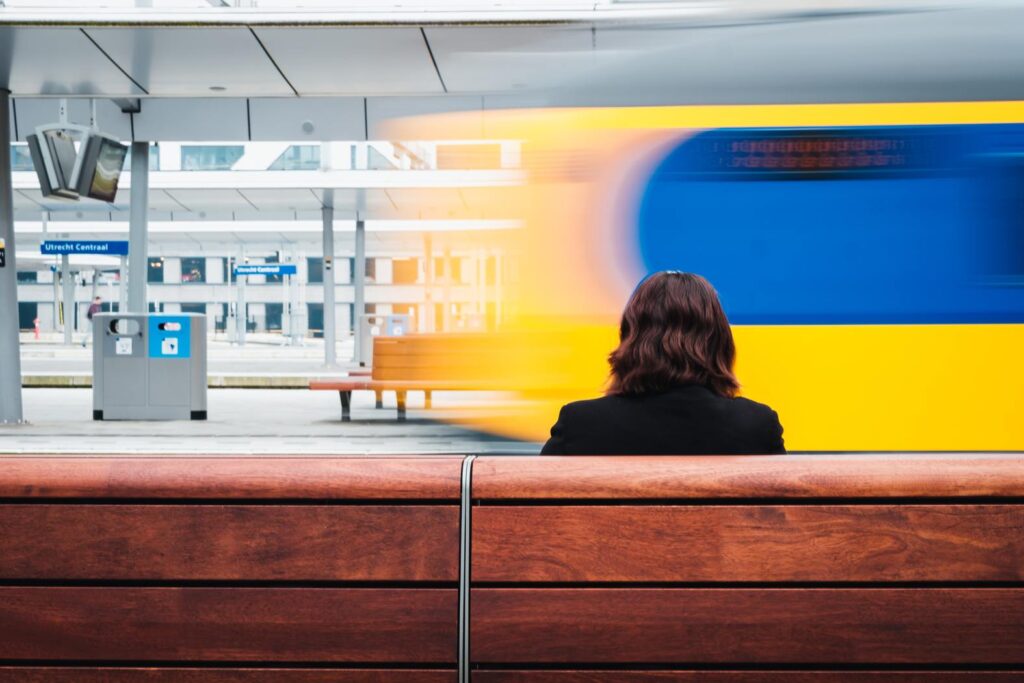
Public spaces in the Netherlands are shared with care. People generally speak at a moderate volume, especially on public transportation. Phone etiquette matters, and loud calls in trains or quiet cafés are often frowned upon.
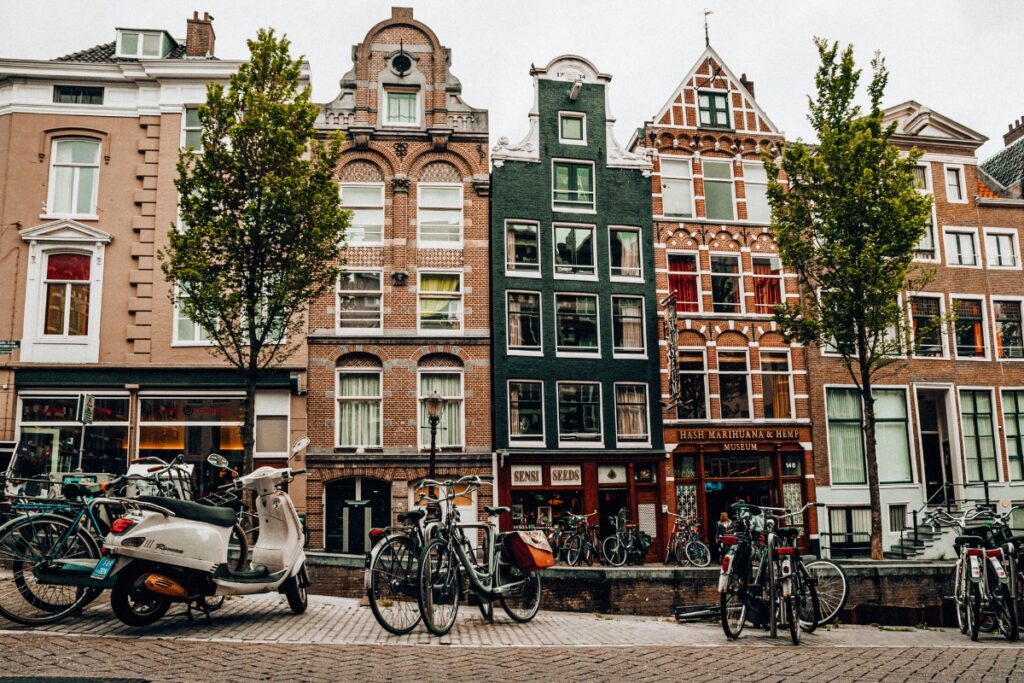
Cyclists play a central role in daily life. Bike lanes are strictly respected, and pedestrians are expected to stay out of them. Electric bikes move faster than they appear, so awareness is important. Helmets are optional, but following traffic rules is not. This respect for shared space reflects broader social norms around safety and consideration for others.
Traditions, Holidays, and Cultural Sensitivities
National celebrations play an important role in Dutch culture. King’s Day, also known as Koningsdag, transforms cities into orange-filled street festivals with markets, music, and parades. Sinterklaas is another major tradition, especially for families, though aspects such as Zwarte Piet are now widely discussed and debated within Dutch society.
Events like Carnaval in the south, Pride Amsterdam, and local festivals such as the Amsterdam Dance Event or regional art shows reflect the country’s diversity and openness. These celebrations often blend tradition with modern values.
Religion has historically shaped Dutch customs, with influences from Calvinism, Roman Catholic traditions, and later secularization. Today, religion is largely a private matter, and Dutch society is religiously diverse.
Workplace Etiquette and Social Equality
In professional settings, hierarchy is minimal. Managers and employees typically interact on equal footing, and open discussion is encouraged. Decisions are often made through consultation rather than top-down authority. This consensus-driven approach can take time but reflects a strong belief in shared responsibility.
Using first names is common, and formality is limited. Titles like Mister or Miss are rarely emphasized outside very formal contexts. Honesty and reliability are valued more than status.
Unspoken Rules That Visitors Often Miss
There are small, unspoken rules that shape daily interactions. Showing off or acting superior is generally disliked. The Dutch phrase “doe normaal,” roughly meaning “just be normal,” captures this cultural preference for modesty.
Sending cards for birthdays, holidays, or major life events is common and appreciated. Circle birthdays, where guests sit in a ring and greet everyone individually, may feel unusual at first but are deeply rooted in local custom.
Tolerance is a core value, but it comes with expectations of mutual respect. Freedom exists alongside clear boundaries, and understanding those boundaries is key to fitting in comfortably.
Why Knowing Dutch Customs Makes Travel Easier
Understanding Dutch customs and etiquette allows visitors to move through the Netherlands with confidence. Conversations feel more natural, public spaces become easier to navigate, and social interactions feel less uncertain. Instead of constantly second-guessing behavior, travelers can relax and enjoy the experience.
Dutch culture may seem understated at first, but beneath the calm exterior lies a society shaped by cooperation, honesty, and thoughtful design. For visitors who take the time to understand these customs, the Netherlands reveals itself as not only easy to travel, but genuinely welcoming in its own distinct way.