Exploring the Netherlands is often easier and more rewarding than travelers from North America expect. Despite its compact size, the country offers an impressive range of experiences, from historic cities and world-class museums to windmills, tulip fields, national parks, and coastal landscapes. What makes the journey especially enjoyable is how seamlessly all of this fits together. Distances are short, transportation is efficient, and cultural highlights sit comfortably alongside nature and everyday Dutch life.
Rather than rushing from place to place, many visitors discover that the Netherlands invites a more thoughtful pace. You can spend time wandering along canals in Amsterdam, exploring centuries of Dutch history, cycling through green landscapes, and enjoying regional food, all without feeling pressured by long travel days. The country rewards curiosity, slow exploration, and a willingness to look beyond the obvious highlights.
Whether this is your first journey through Holland or a return visit, understanding how the Netherlands is structured will help you experience more while doing less. Once you see how cities, countryside, and cultural sites connect, the journey begins to feel intuitive rather than complicated.
Understanding the Dutch Travel Experience
One of the defining features of travel in the Netherlands is how interconnected everything feels. Cities such as Amsterdam, Utrecht, Rotterdam, The Hague, Leiden, Haarlem, and Groningen are linked by an extensive rail network that is reliable and easy to navigate. Even smaller towns like Amersfoort, Gouda, Zutphen, or Breda are well connected, making it possible to explore widely without long transfers.
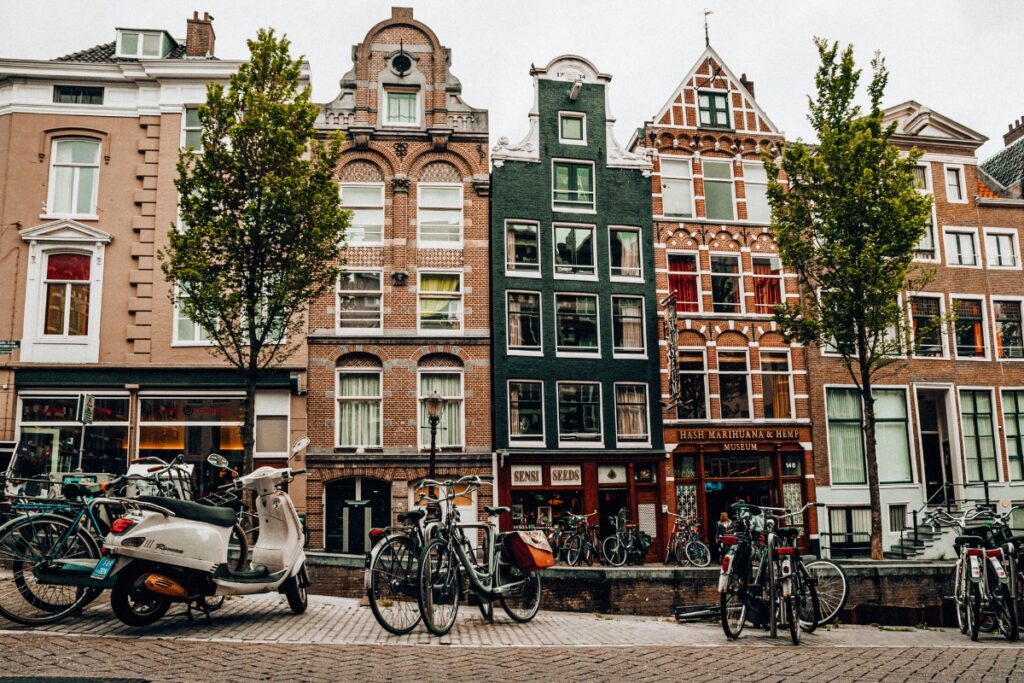
Dutch cities tend to be compact and walkable, with historic centers shaped by canals, market squares, and centuries-old streets. Amsterdam’s canals, the Jordaan neighborhood, and Museumplein are instantly recognizable, while Rotterdam offers a striking contrast with modern architecture such as the Cube Houses and the Erasmus Bridge. The Hague combines royal history with political significance and easy access to the coast, while Delft is known for Delft Blue pottery and its connection to Vermeer and the Dutch Golden Age.
This diversity is one of the great strengths of the Netherlands. Each city has its own character, yet none feel isolated from the rest of the country. Travel becomes part of the experience rather than an obstacle.
Culture, History, and Iconic Experiences
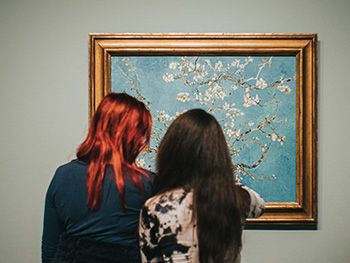
Dutch history is deeply woven into everyday life. From 17th-century merchant houses and windmills to royal palaces and museums, the past is visible everywhere. Visitors often start with major museums such as the Rijksmuseum, the Van Gogh Museum, or the Anne Frank House, but the story continues far beyond these well-known sites.
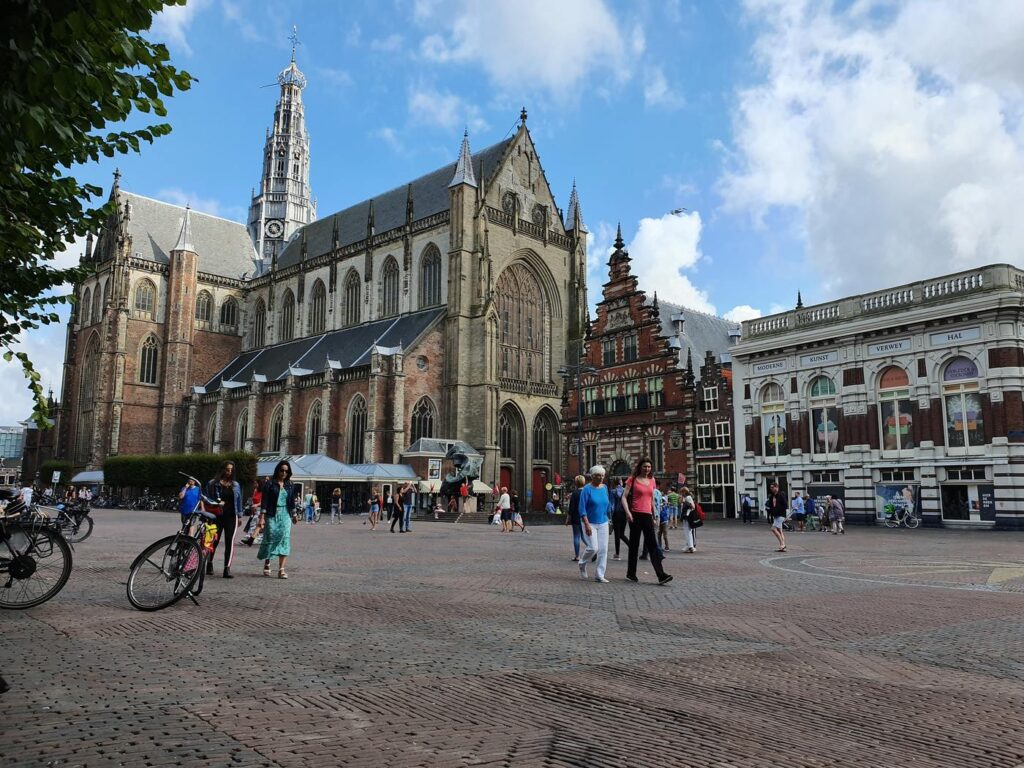
Smaller cities and towns offer equally rich cultural experiences. Leiden reflects its academic heritage, Haarlem showcases classic Dutch architecture, and Maastricht reveals a different rhythm shaped by its southern location. Across the country, heritage sites, churches, and old trading towns speak to the Netherlands’ long relationship with water, trade, and innovation.
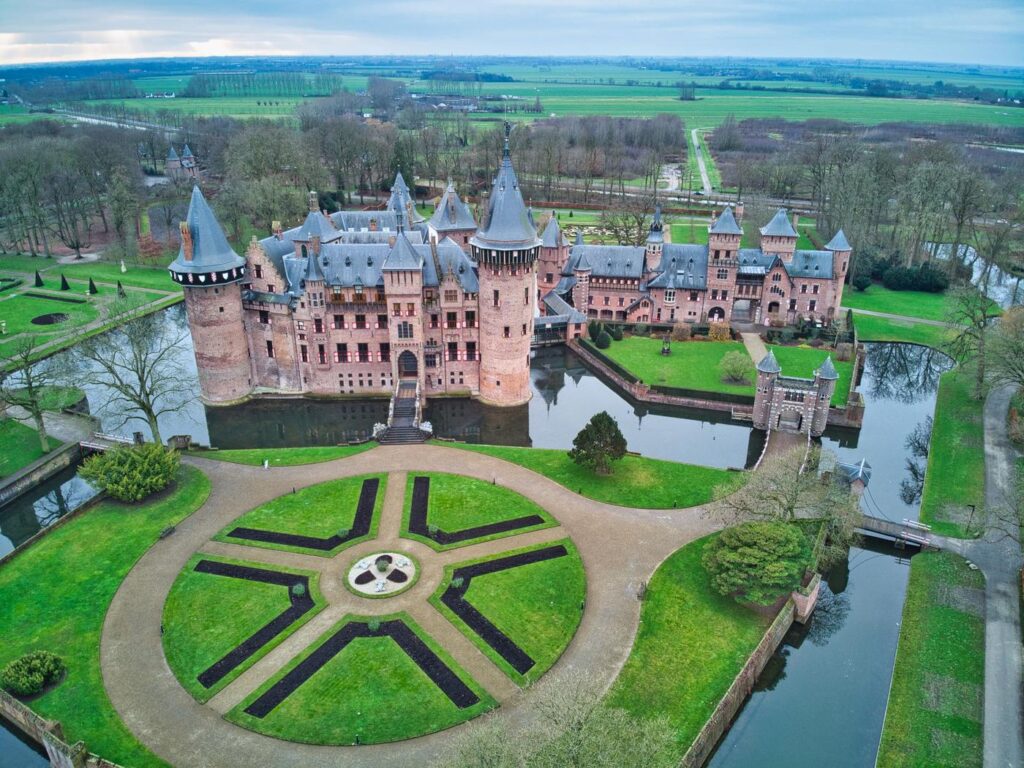
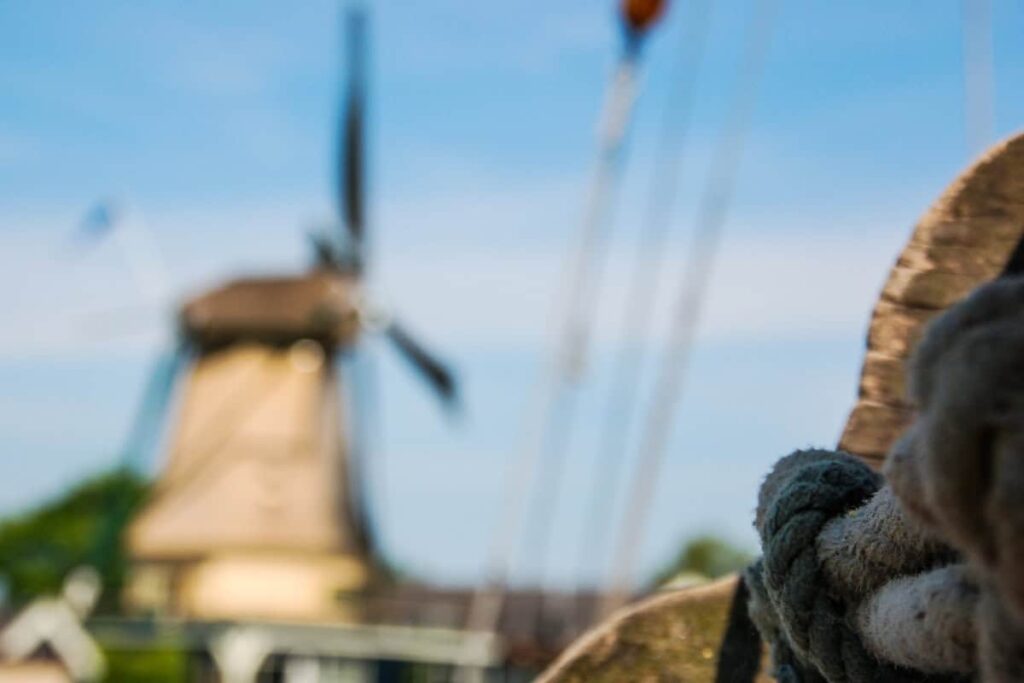
Windmills at Kinderdijk and Zaanse Schans illustrate how the Dutch have shaped their landscape, while royal sites such as Paleis Het Loo in Apeldoorn connect directly to the House of Orange and Dutch baroque traditions. These places are not isolated attractions but part of a broader cultural landscape that feels cohesive and alive.
Nature Beyond the Cities
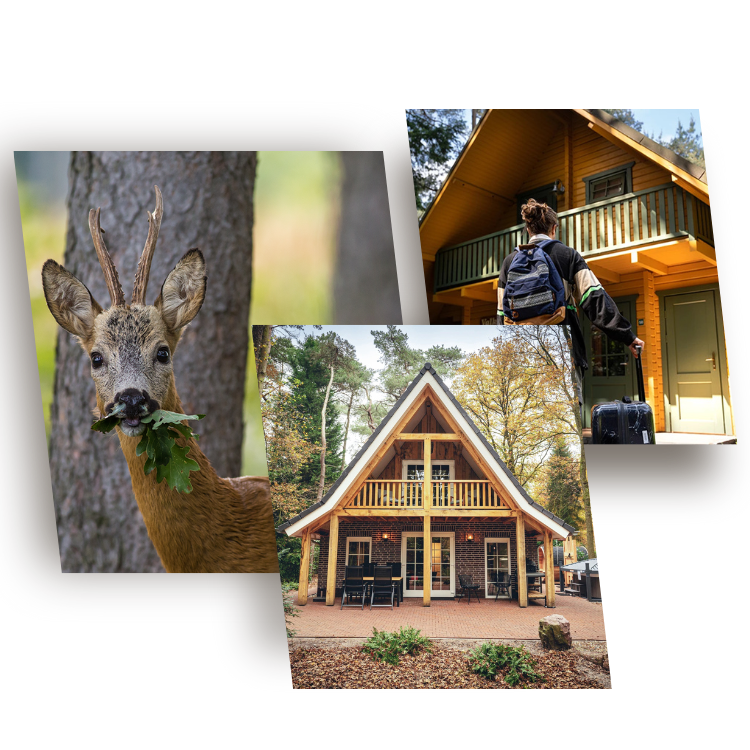
What surprises many travelers is how quickly the Netherlands transitions from urban environments to nature. National parks and protected landscapes are never far away. The Veluwe stands out as one of the most diverse natural areas, with forests, heathlands, and wildlife that offer a calm contrast to city life. Nearby attractions such as the Kröller-Müller Museum blend art and nature in a way that feels uniquely Dutch.
Wetland areas like Weerribben-Wieden and De Alde Feanen provide a quieter, water-rich landscape, while regions such as the Betuwe are known for seasonal blossoms and open countryside. Along the coast, the Waddeneilanden and West Frisian Islands introduce a different rhythm altogether, shaped by tides, wind, and wide horizons. Places like Terschelling, Vlieland, and the vast sands of the Vliehors feel remote despite being well organized and accessible.
This constant proximity to nature allows travelers to balance cultural exploration with time outdoors, without needing to reorganize their entire journey.
Planning a Smooth and Flexible Journey
Practical planning in the Netherlands is refreshingly straightforward. Trains form the backbone of public transportation, supported by buses and trams in cities and towns. Travel times are short, stations are clearly marked, and English information is widely available. This makes it easy to design days that focus on experience rather than logistics.
Because the country is compact, many travelers choose a calm location from which to explore surrounding regions. Staying near the geographic heart of the country allows for easy access to both major cities and quieter landscapes. Areas around Utrecht and Soest are often appreciated for this reason, offering a peaceful environment without sacrificing connectivity. Some visitors opt for small, family-run accommodations in these regions, such as Bungalow Park ’t Eekhoornnest, where the emphasis is on rest and simplicity rather than being in the spotlight.
This approach supports a journey that feels balanced. Days are active and varied, while evenings remain relaxed and unhurried.
Exploring Famous Highlights Without Rushing
Many of the Netherlands’ most recognizable experiences fit naturally into a well-paced journey. A day in Amsterdam might include canal walks, a museum visit, and time in neighborhoods like De Pijp or around the Albert Cuyp market. Another day could focus on Delft and The Hague, combining historic streets with modern culture and coastal scenery.
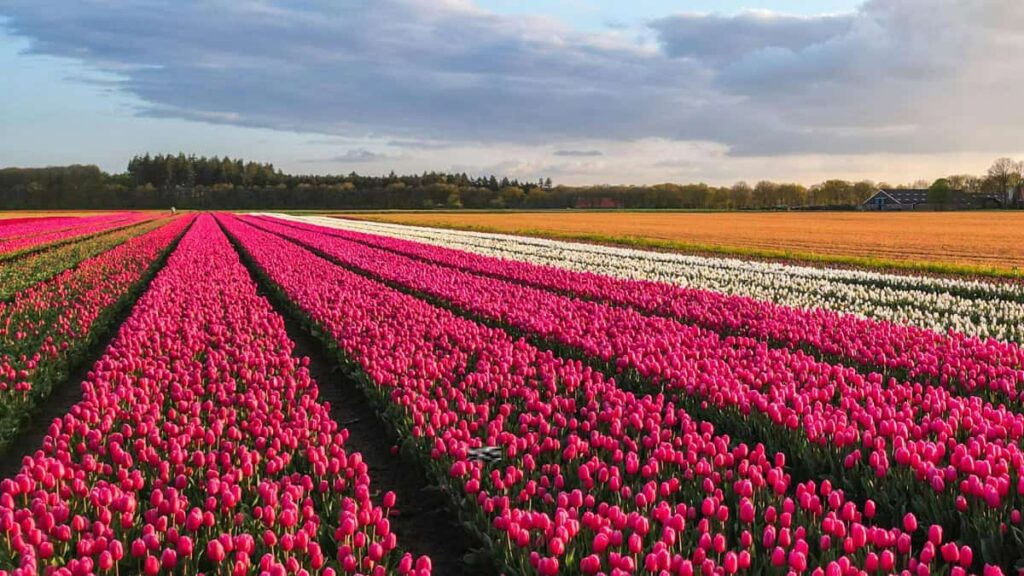
Giethoorn, often called the Venice of the North, offers a completely different atmosphere with its waterways and village charm. Keukenhof and the surrounding tulip fields are a seasonal highlight, especially in spring, while traditional cheese markets in places like Gouda or Alkmaar reflect long-standing local traditions.
Rather than trying to see everything at once, the Netherlands rewards travelers who allow experiences to unfold gradually. Each place adds a layer to the journey, contributing to a broader understanding of Dutch culture and daily life.
A Country That Encourages Thoughtful Travel
To explore the Netherlands well is to embrace its rhythm. It is a country that values organization, accessibility, and quality of life, and those values are reflected in how easy it is to move, explore, and feel at ease as a visitor. Cities, museums, national parks, and small towns connect logically, creating a travel experience that feels cohesive rather than fragmented.
By focusing on how the country fits together instead of chasing individual highlights, travelers gain a deeper appreciation for what makes the Netherlands special. The journey becomes less about ticking boxes and more about discovering patterns, contrasts, and everyday moments.
For those willing to travel with curiosity and patience, the Netherlands reveals itself as a place that is not only easy to explore, but genuinely rewarding to understand.