Planning a trip across the Atlantic can feel complex, especially when visiting Europe for the first time. Distances are shorter, countries are closer together, and regulations differ from what you are used to in the United States. A clear Netherlands travel guide for Americans helps translate those differences into practical steps. The Netherlands is compact, well organized, and English friendly, yet it has its own traditions, rules, and systems. Understanding entry requirements, transportation, money, safety, and regional highlights will make your experience smoother. Whether you are drawn to Amsterdam’s canals, tulip fields in spring, or historic cities beyond the capital, knowing how the country works is just as important as knowing what to see.
Entry Requirements and Travel Regulations
Visa, Schengen Area, and ETIAS
For most U.S. citizens, the Netherlands is part of the Schengen area, which allows short stays of up to 90 days within a 180 day period without a visa. This applies to tourism, business meetings, and family visits. The Schengen Agreement covers multiple European countries, so time spent in Belgium, Germany, or France counts toward the same 90 day limit.
In the near future, non-EU nationals from visa-exempt countries, including the United States, will need authorization under ETIAS before arrival. This is not a visa, but a pre travel approval linked to your passport. Travelers should also be aware of the upcoming Entry, Exit System, which digitally records border crossings. For updated information, consult Travel.State.Gov and the U.S. Department of State before departure.
Safety and Official Guidance
The Netherlands is generally considered safe, with low violent crime rates compared to many large American cities. Still, the U.S. Department of State may occasionally list the country under Exercise Increased Caution due to broader European security concerns. Travelers should stay informed, enroll in the Smart Traveler Enrollment Program, and monitor updates from the U.S. Embassy The Hague or the U.S. Consulate General in Amsterdam.
Money, Payments, and Practical Details
The Euro and Cash Usage
The Netherlands uses the Euro. Credit and debit cards are widely accepted, but smaller shops, markets, or rural locations may prefer debit cards with chip and pin capability. While cash is less common than in the past, carrying a small amount is practical. If you enter or leave the European Union with large sums, you must follow declaring cash regulations.
American travelers often assume credit cards work everywhere, as in New York City. In the Netherlands, some local businesses do not accept certain foreign credit cards. Having a backup card and limited cash reduces inconvenience. A money belt can be useful in crowded areas such as Amsterdam’s city center or around the Anne Frank House.
Electrical Adapters and Connectivity
The Netherlands uses the Type F plug and 230 volt electricity. A universal adapter is necessary for U.S. devices. Many travelers also choose an eSIM for data access, which simplifies navigation, train schedules, and communication across Europe.
Getting Around the Country
Public Transport and Train Network
One of the strongest advantages of traveling in Holland is the public transport network. Trains connect Amsterdam, Rotterdam, The Hague, Utrecht, and smaller cities within one to two hours. Compared to driving across a large U.S. state, distances here are short and efficient.
The train network is reliable and clearly signposted in English. Buses and trams integrate seamlessly with rail services. For most visitors, renting a car is unnecessary unless exploring rural areas extensively.
Biking and Urban Mobility
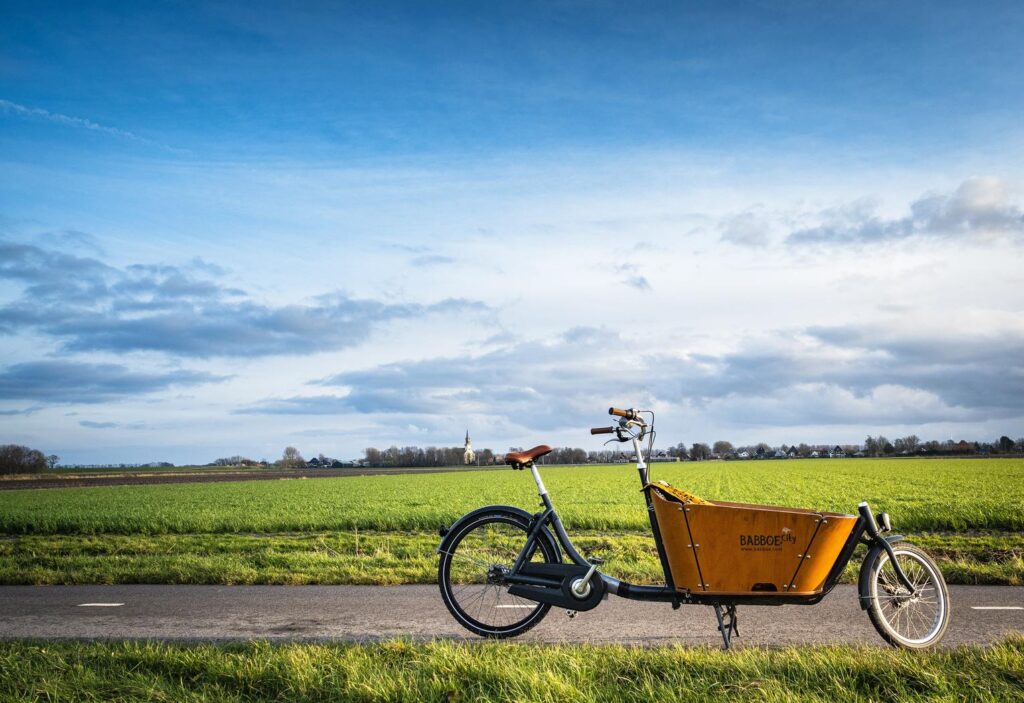
Cycling is not just recreational. It is a primary mode of transport. Bike lanes are separate from car traffic and heavily used. Visitors should remain aware of cyclists, especially when walking near canals or crossing streets. Understanding this system enhances your experience and prevents confusion.
Beyond Amsterdam
Historic Cities and Cultural Landmarks
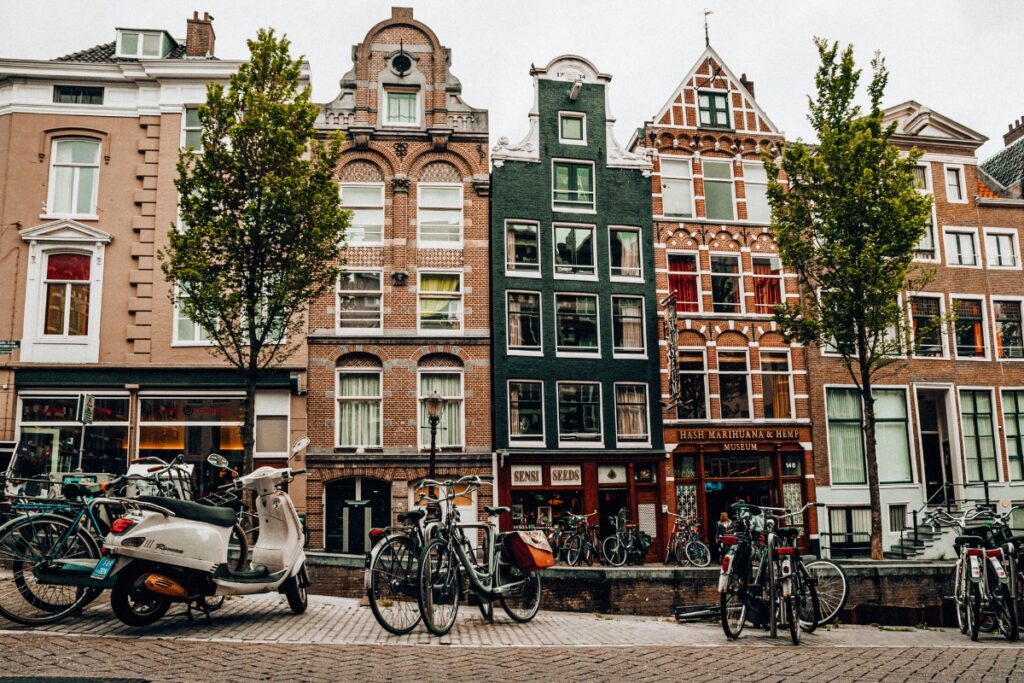
Amsterdam is known for its canals, Golden-Age architecture, and world class institutions such as the Rijksmuseum and the Van Gogh Museum. However, the Netherlands extends far beyond the capital.
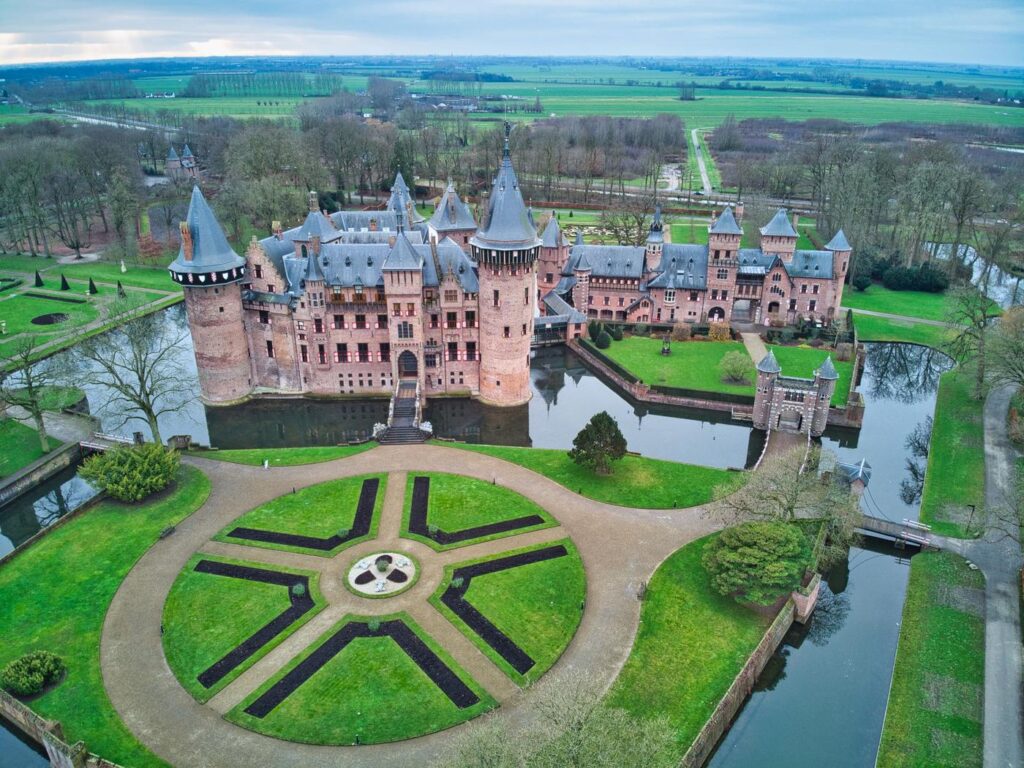
Rotterdam showcases visionary architecture and cutting-edge design, reflecting Dutch innovation. The Hague features the Binnenhof and the Mauritshuis, home to artistic masterpieces including works by Vermeer. In Nijmegen, one of the country’s oldest cities, Valkhof Park overlooks the river and highlights layers of Roman and medieval history.
Countryside, Windmills, and Flower Regions
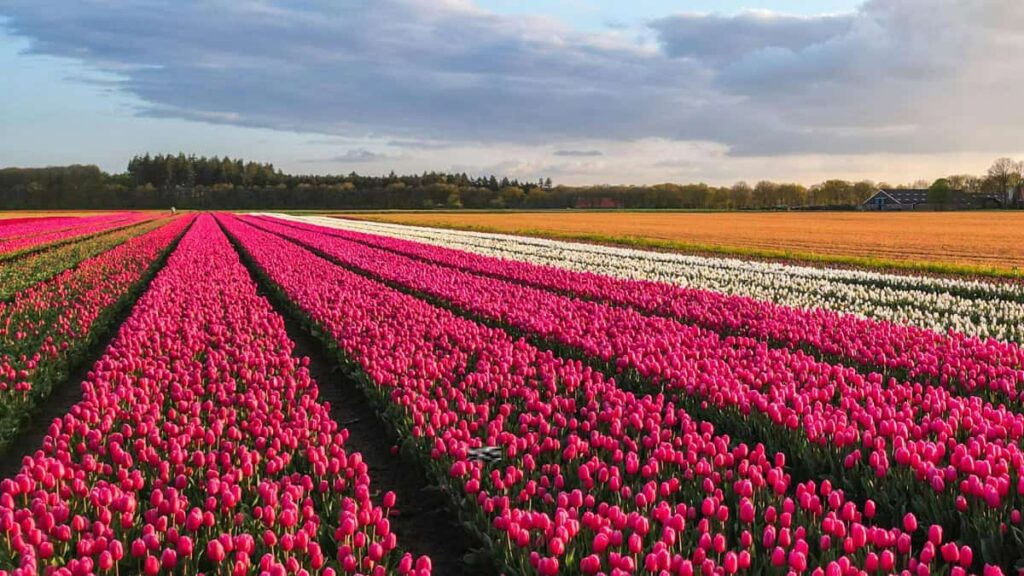
Travelers seeking traditional imagery often visit Zaanse Schans for windmills or Giethoorn for its quiet canals. In spring, Keukenhof Gardens and the surrounding Dutch Flower Region display tulip fields in bloom. Flower events and the Flower Parade attract visitors from across Europe.
De Hoge Veluwe National Park combines forest, heathland, and open landscapes. Within the park, the Kröller-Müller Museum houses both classic and modern works, including pieces connected to Van Gogh. Staying in a central region, such as near Polder Country, allows easy day trips in multiple directions. A bungalow park like ’t Eekhoornnest fits this concept by offering access to nature while remaining within reach of major cities.
Coast and Nearby Countries
Along the North Sea, Scheveningen Beach provides a different perspective, especially in summer. Because of the country’s size, it is feasible to combine the Netherlands with Belgium or Germany during one trip. A train from Amsterdam to Brussels takes only a few hours.
Culture, Traditions, and Social Norms
Dutch communication tends to be direct. What may seem blunt is often simply efficient. English is widely spoken, reducing language barriers. Tradition remains visible in local markets, holiday celebrations, and Christmas markets in winter.
Visitors often ask about alcohol and drugs. While certain substances are tolerated under regulated conditions, they are not universally legal. Understanding local laws prevents misunderstandings.
The human side of travel is found in daily interaction, whether in a neighborhood café or a city market. The Netherlands balances historical depth with modern innovation, creating a layered cultural experience within a small geographic area.
Planning by Season
Spring highlights tulip fields and Keukenhof. Summer brings festivals and beach visits. Fall offers quieter museum visits. Winter introduces Christmas markets and festive lighting along canals. Air quality is generally good, and updates can be checked through international resources such as Air Quality Forecast services if needed.
Because distances are short, the Netherlands supports one-location travel. You can stay in a central area and explore multiple cities without constantly changing hotels, a practical advantage compared to multi state road trips in the United States.
Conclusion
The Netherlands offers a compact, organized, and accessible introduction to Europe for American travelers. Entry requirements are straightforward under the Schengen area, transportation is efficient, and English is widely spoken. From Amsterdam’s canals and museums to windmills, tulip fields, and North Sea beaches, diversity fits within short travel times. Understanding payment systems, public transport, cultural norms, and seasonal highlights helps you plan with confidence.
As an informative guide, Center of Holland provides structured insights into how the country works, allowing travelers to move beyond assumptions and experience both the iconic and the everyday side of Dutch life.