Planning a European trip often begins with broad research, especially when traveling from Canada. A Netherlands travel guide for Canadians should answer practical questions first, before moving into culture and sightseeing. The Netherlands is compact, highly organized, and easy to navigate, yet it operates differently from Canada in terms of distance, transportation, and daily customs. Understanding entry rules, transportation systems, climate, and local expectations helps travelers structure their time efficiently. Because the country is small and well connected by train and public transportation, visitors can experience historic cities, museums, windmills, and tulip fields without constantly changing hotels. This guide explains what Canadian travelers need to know before departure and how to plan a smooth and well informed visit.
Entry Requirements and Practical Preparation
Visa Rules and the Schengen Area
Canadian passport holders are visa exempt for short stays in The Netherlands, which is part of the Schengen area. Canadians can typically stay up to 90 days within a 180 day period across Schengen countries. This rule applies not only to The Netherlands but also to nearby countries such as Belgium and other European Union members within the agreement. Your passport should be valid for at least three months beyond your planned departure date from the Schengen area.
For the most current Travel Advice and Advisories, consult the Canadian government website before departure. In case of emergencies, Canadians can contact the Embassy of Canada to the Netherlands, and the Emergency Watch and Response Centre in Ottawa remains available 24 hours a day.
Currency, Payments, and Daily Costs
The official currency is the Euro. Card payments are widely accepted, and The Netherlands relies heavily on debit and credit cards rather than cash. It is common to pay by tapping your card for small purchases, including train tickets and museum entry. Carrying a small amount of cash can be useful for markets or smaller establishments, but most transactions are electronic.
Compared to many Canadian cities, daily expenses are similar to Toronto or Vancouver, particularly in Amsterdam. Smaller cities such as Utrecht, Delft, or Groningen can feel slightly more affordable.
Getting Around the Country
Arrival at Amsterdam Schiphol Airport
Most Canadian visitors arrive at Amsterdam Schiphol Airport, one of Europe’s major transportation hubs. The airport connects directly to the national train network located beneath the terminal. Within minutes of landing, travelers can board a train to Amsterdam Central Station, Rotterdam, The Hague, or Utrecht.
Train Travel and Public Transportation
Distances in The Netherlands are short compared to Canada. A train ride from Amsterdam to Rotterdam takes about one hour. Utrecht is roughly 25 minutes from Amsterdam. Even Maastricht in the south or Groningen in the north can be reached in about two to two and a half hours.
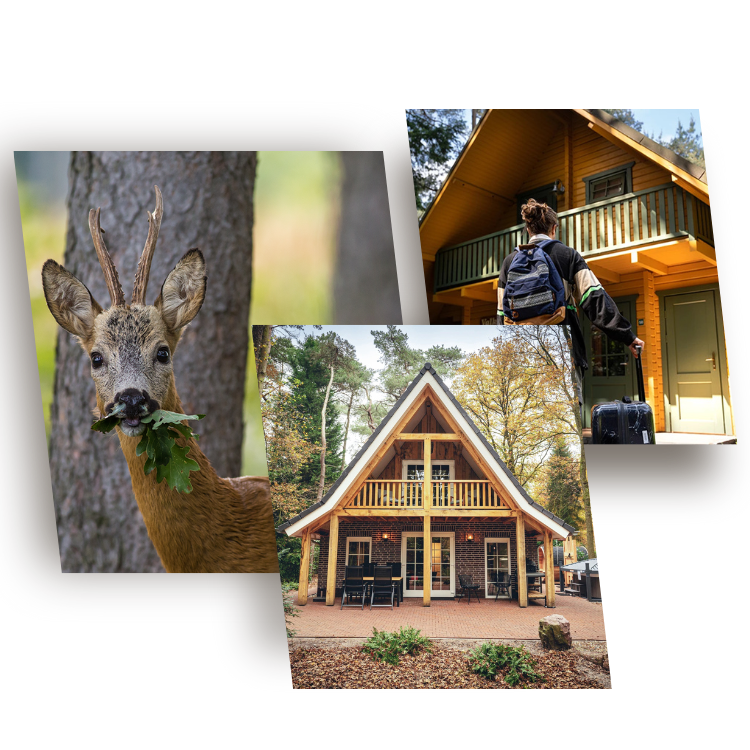
Public transportation is reliable and frequent. Trains, trams, and buses operate on coordinated schedules. Because of the country’s compact size, it is realistic to stay in one location and explore different cities as day trips. For travelers who prefer a quieter setting outside large cities, a centrally located accommodation such as Bungalowpark ’t Eekhoornnest allows easy access to Amsterdam, The Hague, and natural areas like De Hoge Veluwe National Park without relocating multiple times.
Cycling Culture
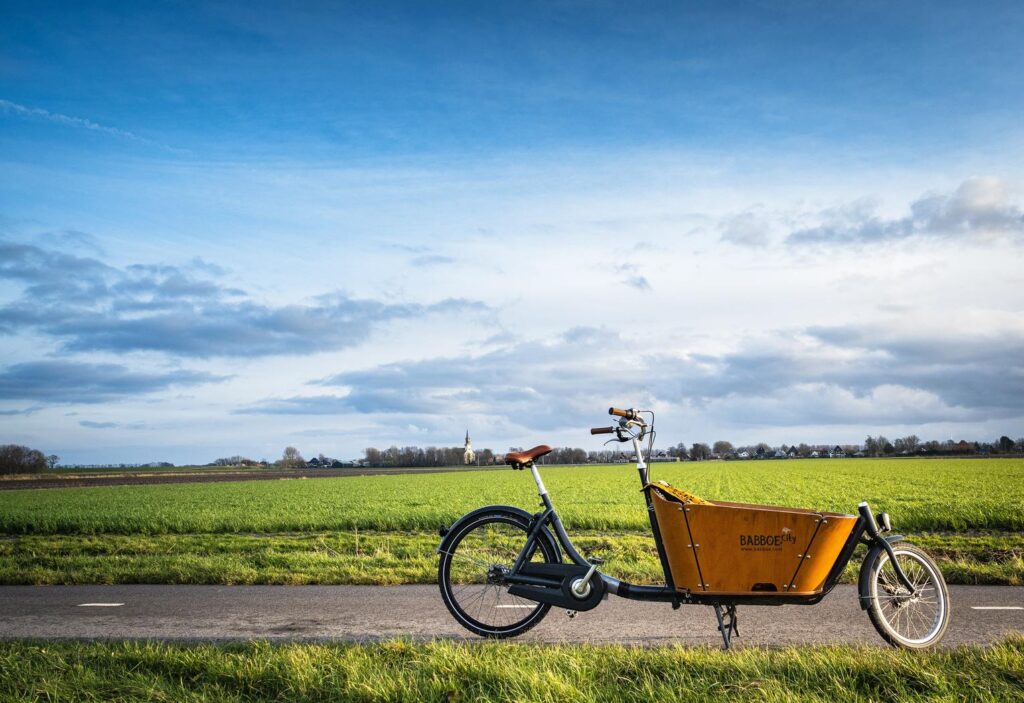
Cycling is part of daily life. Dedicated bike lanes exist in nearly every city, and Dutch people use bicycles for commuting, shopping, and school. Visitors can rent a bike, but it is important to respect traffic rules and lane markings. Cycling here is transportation, not a leisure activity on the side of the road.
Cities and Cultural Highlights
Amsterdam and the Dutch Golden Age
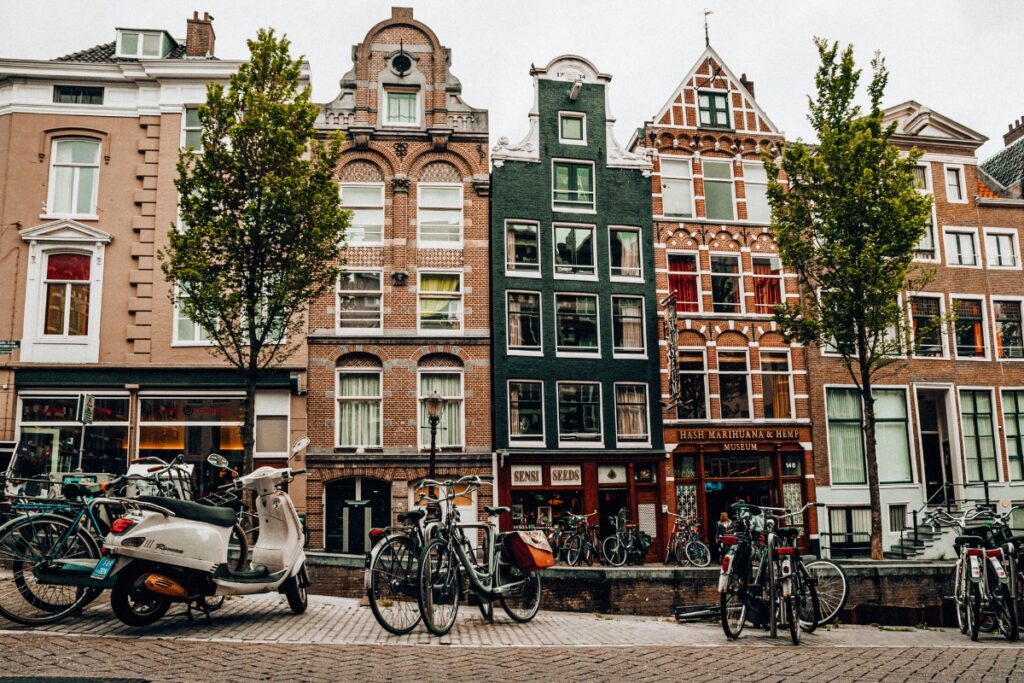
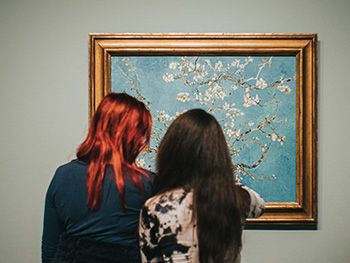
Amsterdam is known for its Canal Houses, narrow alleys, and historic Canals. Major museums include the Rijksmuseum, home to Rembrandt’s works from the Dutch Golden Age, and the Van Gogh Museum. The Anne Frank House provides insight into World War II history. Vondelpark offers green space within the City.
While areas such as the De Wallen District attract attention, Amsterdam’s identity is broader, centered on art, trade history, and water management.
Beyond Amsterdam
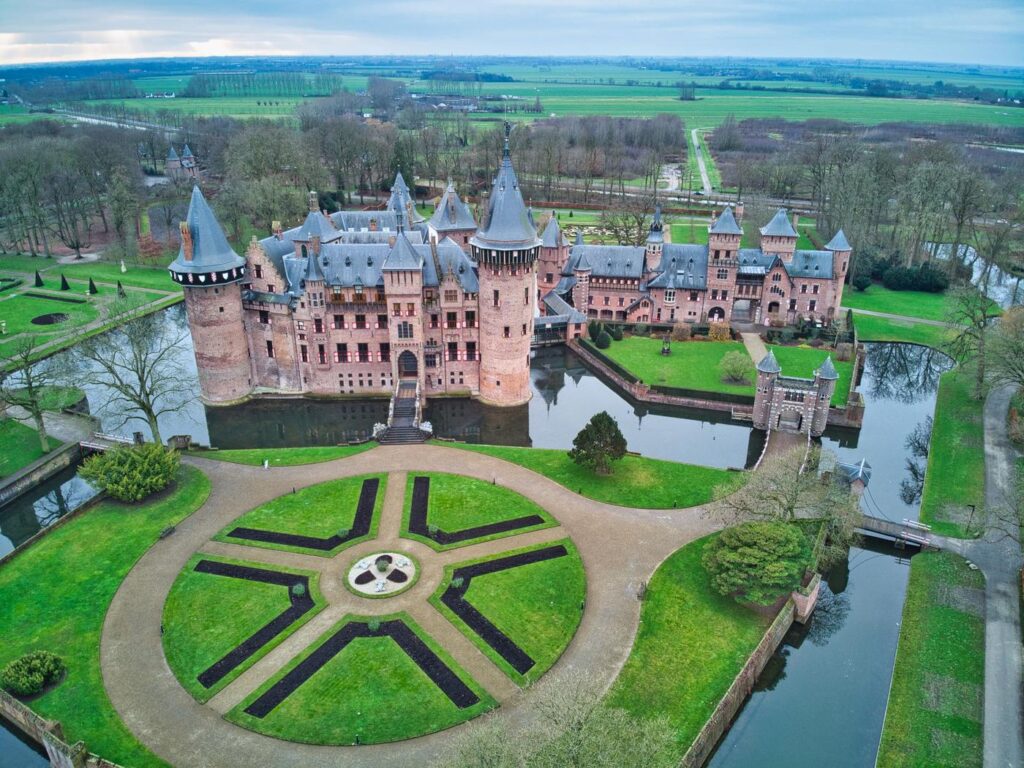
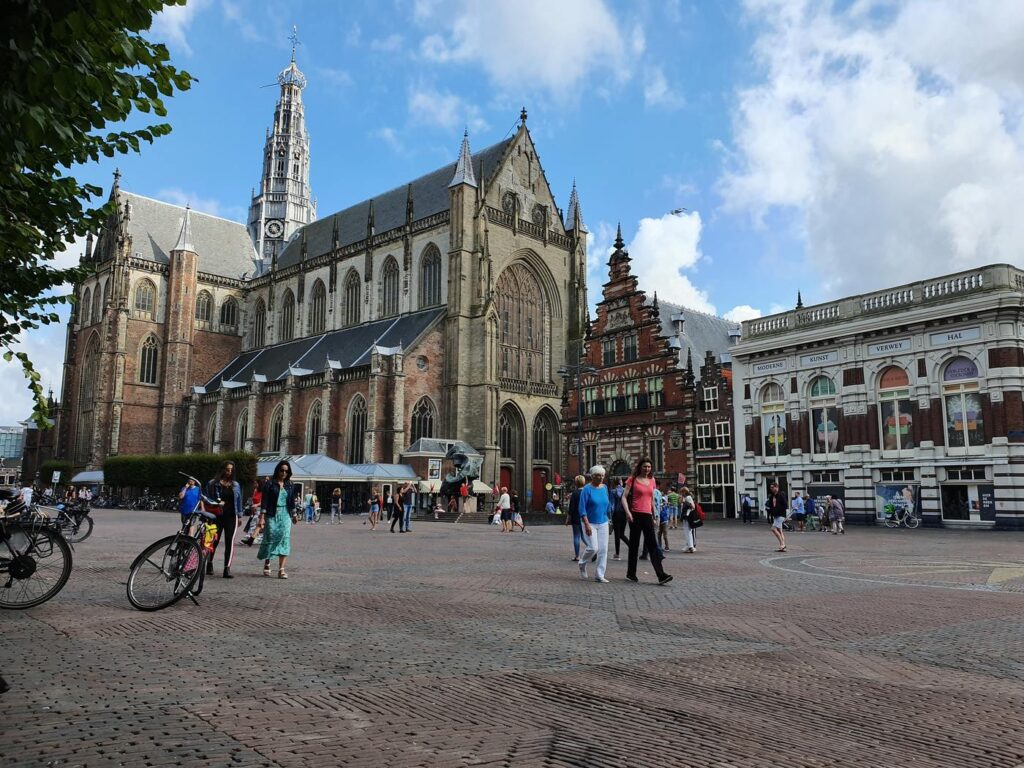
Rotterdam presents modern architecture, including the Cube Houses and the Euromast. The Hague houses the Mauritshuis museum and the Binnenhof, linked to Dutch government history. Utrecht offers medieval streets and canals with lower level waterfront cafés. Delft is known for Delft blue pottery and its connection to Vermeer.
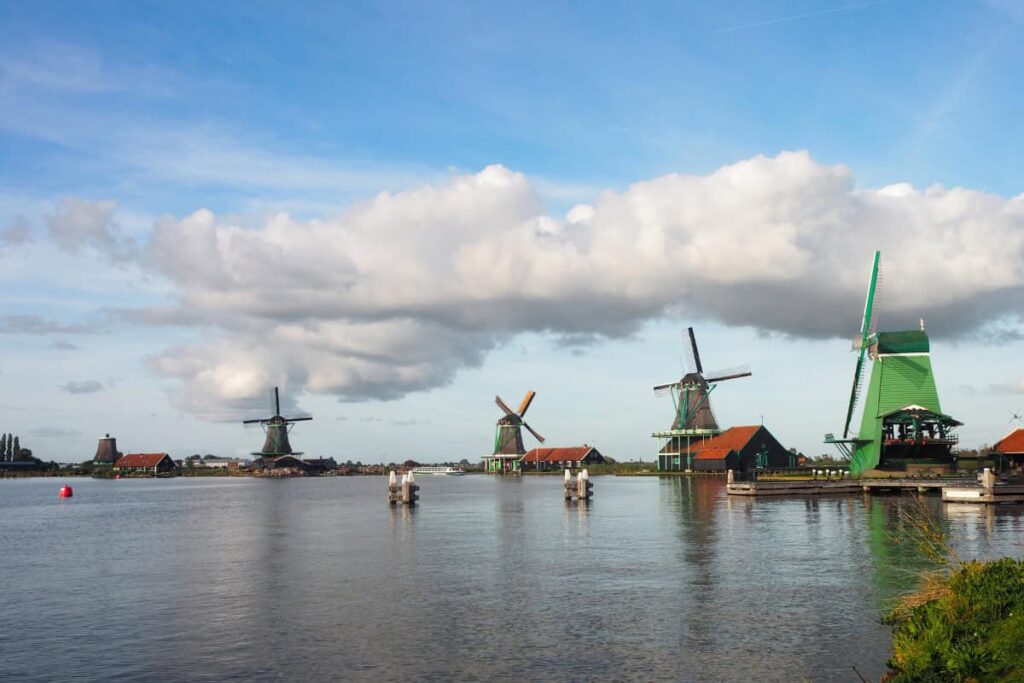
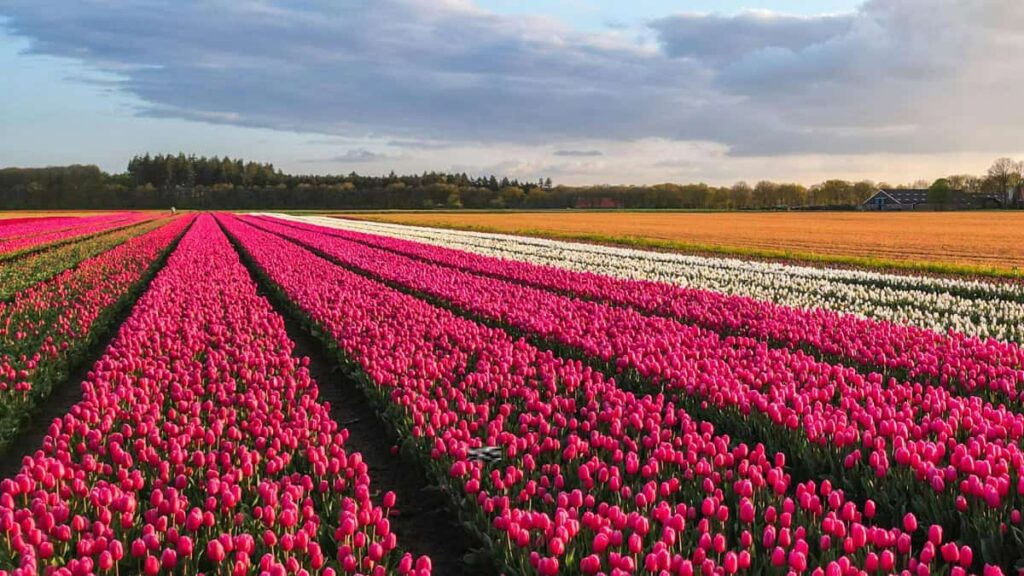
Outside major cities, Kinderdijk features historic Windmills and is recognized as a UNESCO World Heritage Site. In spring, Keukenhof Gardens and surrounding tulip fields draw visitors from around the world. Smaller destinations such as Giethoorn, often called the Dutch Venice, and the Frisian Islands provide a slower pace.
The landscape is famously pancake flat countryside, shaped by water management and dikes.
Safety, Health, and Local Norms
Safety and Security
The Netherlands generally maintains a moderate Risk level similar to other Western European countries. Petty theft can occur in crowded tourist areas, particularly around train stations and busy museum entrances. Awareness of your surroundings is usually sufficient.
Concerns about Terrorism exist across Europe, though incidents are rare. The Dutch government maintains visible security measures in major cities. Natural disasters are uncommon, and the country is well prepared for flooding through advanced water control systems.
Laws on Alcohol and Drugs
Alcohol is widely available, and the legal drinking age is 18. Cannabis is tolerated in regulated coffee shops, primarily in Amsterdam, but it remains illegal to export or use in public spaces outside permitted locations. Drug laws differ from Canada, and it is important to follow local regulations carefully.
Language and Social Behavior
English is widely spoken. Most Dutch people are fluent and comfortable switching languages. Visitors often notice Dutch directness, which can feel more straightforward than typical Canadian communication. This reflects cultural efficiency rather than rudeness.
Climate and Seasonal Considerations
The Netherlands operates in the UTC+1 time zone. The climate is maritime, with mild summers and cool winters. Rain can occur throughout the year. Compared to much of Canada, winter temperatures are moderate, rarely reaching extreme lows.
Spring brings tulip fields and visits to Keukenhof Gardens. Summer offers long daylight hours suitable for Cycling and canal walks. December introduces Christmas markets in several cities, though they are generally smaller than those in Germany or Austria.
Packing layers and a waterproof jacket is practical in any season.
Conclusion
For Canadians, traveling to The Netherlands involves fewer logistical challenges than many expect. Visa exempt access within the Schengen area, efficient train connections, and widespread English usage simplify planning. Because distances are short and public transportation is reliable, visitors can explore Amsterdam, Rotterdam, The Hague, Utrecht, and UNESCO World Heritage Sites from a single base. Cultural highlights from Rembrandt and Van Gogh to Windmills and tulip fields are accessible without extensive travel days.
Center of Holland functions as an informational guide that helps international travelers understand how the country works geographically and practically, allowing visitors to organize their trip with clarity and confidence.