Dutch cuisine is often known for cheese, herring, fries and hearty winter dishes, but the Netherlands also has a delicious sweet side. From warm stroopwafels at a market to thick slices of Dutch apple pie in a cozy café, traditional Netherlands desserts are simple, comforting and deeply connected to everyday Dutch culture.
Many Dutch sweets are built around familiar ingredients like butter, cinnamon, apples, cream, syrup and spices. You will find them in bakeries, cafés, supermarkets, street markets and seasonal stalls across the country.
Here are the Dutch desserts and sweet treats every visitor should try.
Quick Dutch Dessert Facts
- Most famous Dutch sweet: Stroopwafel
- Best café dessert: Dutch appeltaart with whipped cream
- Best winter treat: Oliebollen
- Most colorful pastry: Tompouce
- Most traditional spice flavor: Speculaas
- Most surprising for visitors: Salty Dutch licorice
- Best place to try Dutch sweets: Bakeries, markets and local cafés
Contents
- Stroopwafels
- Dutch Appeltaart
- Oliebollen
- Tompouce
- Speculaas
- Boterkoek
- Poffertjes
- Vla
- Bossche Bollen
- Haagse Hopjes
- Rijstpap
- Ontbijtkoek
- Kruidnoten
- Dutch Licorice
- Where to Try Dutch Desserts in the Netherlands
1. Stroopwafels
Stroopwafels are probably the most famous Dutch sweet treat. They are made from two thin waffle cookies with a layer of caramel syrup in the middle.

You can buy packaged stroopwafels in almost every Dutch supermarket, but the best version is fresh and warm from a market stall. A freshly made stroopwafel is softer, sweeter and much more fragrant than the packaged version. The syrup melts slightly, and the waffle has a light crispness around the edges.
A popular Dutch habit is to place a stroopwafel on top of a hot cup of coffee or tea. The steam warms the syrup inside, making it softer and richer.
Stroopwafels are strongly connected to Gouda, where the treat is said to have originated. Today, you will find them all over the Netherlands, especially at markets in cities like Amsterdam, Utrecht and Gouda.
2. Dutch Appeltaart
Dutch appeltaart is one of the best desserts to try in the Netherlands, especially in a café.

Unlike some versions of apple pie, Dutch apple pie is usually deep, firm and filled with chunky apple pieces, cinnamon, sugar and often raisins. The crust is buttery and more cake-like than flaky. It is usually served in a large slice with whipped cream on the side.
This is not a fancy dessert. That is exactly why it works. Dutch appeltaart feels homemade, warm and comforting. It is the kind of sweet you order with coffee after a walk, museum visit or city trip.
Amsterdam has famous places for appeltaart, but you do not need to stay in the capital to find a good slice. Many smaller towns and local cafés serve excellent Dutch apple pie, often with a quieter and more local atmosphere.
3. Oliebollen
Oliebollen are deep-fried dough balls traditionally eaten around New Year’s Eve.
They are often dusted with powdered sugar and may contain raisins or currants. The texture is soft inside, slightly crisp outside and much heavier than a typical donut. During winter, oliebollen stalls appear in Dutch towns and cities, sometimes weeks before New Year.
For Dutch people, oliebollen are strongly tied to winter, family gatherings and the end of the year. For visitors, they are one of the easiest seasonal Dutch desserts to recognize. Just look for a small stall with people waiting in line and the smell of fried dough in the air.
Oliebollen are best eaten warm, ideally outside on a cold day.
4. Tompouce
Tompouce is one of the most recognizable Dutch pastries.
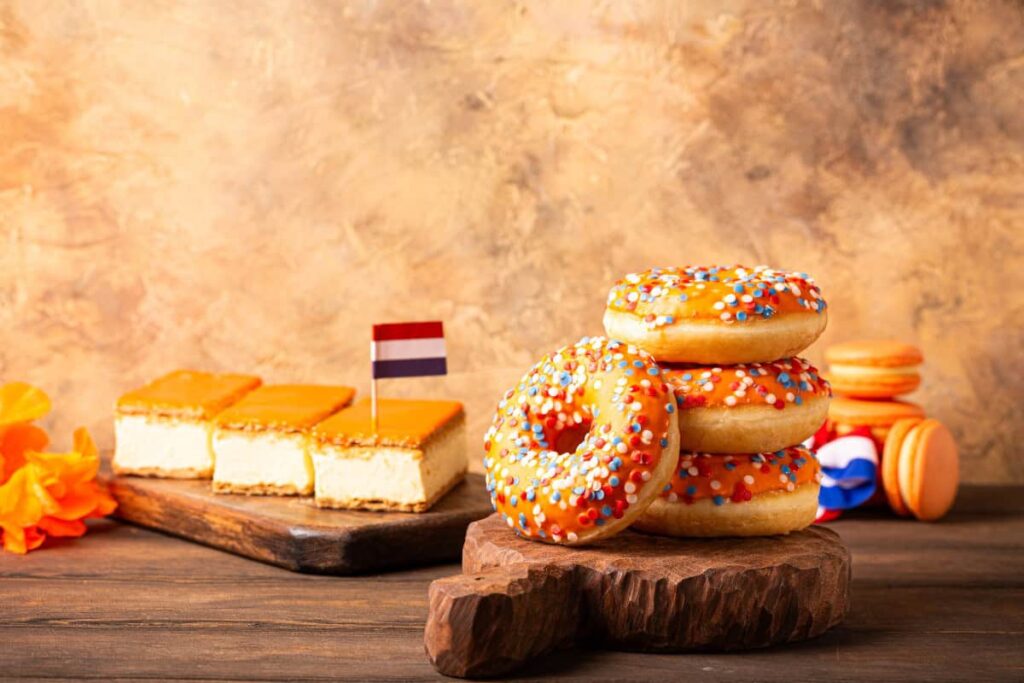
It is made with layers of puff pastry, sweet cream filling and a bright pink glaze on top. On King’s Day, the glaze is often orange instead of pink, matching the national color of the Netherlands.
The funny thing about tompouce is that it is almost impossible to eat neatly. The cream pushes out, the pastry cracks, and most Dutch people have their own method for attacking it. Some use a fork, some separate the layers, and some simply accept the mess.
That makes tompouce more than just a pastry. It is a small Dutch food experience.
5. Speculaas
Speculaas is a spiced Dutch biscuit often associated with autumn and winter.
The flavor comes from a warm mix of spices such as cinnamon, cloves, nutmeg, ginger and cardamom. Speculaas is especially popular around Sinterklaas, the Dutch celebration in early December.
You will find speculaas as thin crispy cookies, filled speculaas with almond paste and small spiced cookies during the festive season. The smell alone feels very Dutch: warm, spicy and cozy.
For visitors who enjoy cinnamon and gingerbread-style flavors, speculaas is one of the easiest Dutch sweets to love.
6. Boterkoek
Boterkoek literally means “butter cake,” and that name tells you almost everything.
It is a dense, rich Dutch cake made with plenty of butter, sugar and flour. The texture is soft but firm, somewhere between a cake and a shortbread cookie. It is usually cut into small squares or wedges because it is quite heavy.
A good boterkoek should taste simple but indulgent. No complicated decoration is needed. The butter is the main event.
You will often find boterkoek in bakeries, cafés and supermarkets. It is a classic example of how Dutch desserts can be humble, rich and very satisfying at the same time.
7. Poffertjes
Poffertjes are small, fluffy Dutch pancakes usually served with butter and powdered sugar.
They are not always considered a dessert, but most visitors experience them as a sweet treat. You will often find them at markets, fairs, winter events and pancake restaurants.
Poffertjes are cooked in a special pan with small round molds, giving them their soft, puffy shape. They are best eaten warm, when the butter melts into the pancakes and the powdered sugar sticks to the top.
For families traveling in the Netherlands, poffertjes are usually an easy win. Children love them, and adults rarely complain either.
8. Vla
Vla is a thick Dutch dairy dessert, similar to custard or pudding.
It comes in many flavors, including vanilla, chocolate, caramel and fruit. Dutch families often eat vla at home after dinner, poured straight from a carton into a bowl.
For visitors, vla may not look exciting at first. It is not a bakery showpiece or café dessert. But it is very Dutch because it belongs to everyday home life.
You can find vla in almost every supermarket, including Albert Heijn and other Dutch grocery stores. Try vanilla or chocolate vla if you want a simple local dessert experience.
9. Bossche Bollen
Bossche Bollen are large cream-filled pastries covered in chocolate.
They come from the city of ’s-Hertogenbosch, often called Den Bosch. A Bossche Bol is bigger than a typical cream puff and filled with whipped cream, then coated in a layer of chocolate.
This is not a light snack. It is rich, messy and best eaten with coffee.
Regional sweets like Bossche Bollen are a good reason to explore beyond Amsterdam. Dutch food culture changes from city to city, and some of the best treats are connected to specific places.
10. Haagse Hopjes
Haagse Hopjes are coffee-flavored sweets from The Hague.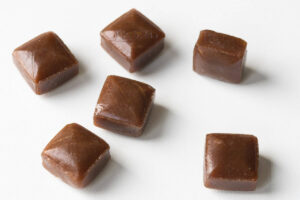
They are small hard candies with a caramel and coffee taste. The name is connected to Baron Hendrik Hop, who lived in The Hague and is often linked to the origin story of the sweet.
Haagse Hopjes are not a dessert in the café sense, but they are a traditional Dutch sweet worth knowing. They also show how local stories often sit behind simple Dutch treats.
If your trip includes The Hague, they make an easy food souvenir.
11. Rijstpap
Rijstpap is Dutch rice pudding.
It is made with rice, milk and sugar, and can be served warm or cold. Sometimes it is flavored with cinnamon or vanilla. Like vla, it is more of a home-style dessert than something tourists usually hunt for.
That is part of its charm. Rijstpap belongs to traditional Dutch comfort food. It is simple, mild and nostalgic for many Dutch people.
You may not see it on every restaurant menu, but it is worth trying if you come across it in a traditional setting.
12. Ontbijtkoek
Ontbijtkoek is a Dutch spiced cake, often translated as breakfast cake.
Despite the name, it can be eaten at different times of day. It has a soft, slightly sticky texture and a warm spiced flavor. Many Dutch people eat it with butter.
Ontbijtkoek is usually sold in supermarkets and bakeries. It is not the most dramatic Dutch sweet, but it is very familiar in Dutch households.
For travelers, it is a good example of an everyday Dutch food that is easy to try without needing a restaurant or bakery visit.
13. Kruidnoten
Kruidnoten are small crunchy spiced cookies eaten around Sinterklaas.
They are often confused with pepernoten, but kruidnoten are the small round biscuit-like version most visitors will see in supermarkets during the festive season. They taste a little like speculaas because they use similar spices.
In the weeks before Sinterklaas, Dutch shops fill with bags of kruidnoten, including chocolate-covered versions. It is almost impossible to avoid them in November and early December.
If you visit the Netherlands in winter, this is one of the most seasonal Dutch sweets to try.
14. Dutch Licorice
Dutch licorice, called drop, is one of the most surprising sweets in the Netherlands.
It comes in many forms: sweet, salty, soft, hard, mild or extremely intense. Salty licorice, known as zoute drop, is especially famous and often shocking to visitors who are used to sweeter versions.
Technically, drop is candy rather than dessert, but it belongs in any guide to Dutch sweets. The Dutch love it, and you will find huge selections in supermarkets and candy shops.
Even if you dislike it, trying Dutch licorice is part of the experience.
15. Where to Try Dutch Desserts in the Netherlands
The best way to discover Netherlands desserts is not only by going to famous places in Amsterdam. You will find Dutch sweets across the country in bakeries, markets, cafés, supermarkets and seasonal stalls.
Markets are great for stroopwafels and poffertjes. Cafés are ideal for appeltaart with whipped cream. Bakeries are best for boterkoek, tompouce and regional pastries. Supermarkets are useful for everyday sweets like vla, ontbijtkoek, hagelslag, drop and packaged stroopwafels.
One of the advantages of staying centrally in the Netherlands is that you can try different local specialties during short day trips. A quiet base near Utrecht or Soest, for example, makes it easy to visit historic cities, local markets, bakeries and food stops without changing hotels every few nights.
Dutch desserts are simple, comforting and often connected to daily life. That is what makes them worth trying. They do not just show you what the Dutch eat, but also how the Netherlands feels: practical, cozy, local and full of small traditions.