The Netherlands is small, flat and easy to travel through, but it is also one of the most surprising countries in Europe. Visitors often arrive for Amsterdam, tulips, canals and windmills, then discover a country shaped by water, cycling, direct communication, cheese, clever engineering and cozy traditions.
These fun facts about the Netherlands give you a better feel for Dutch culture, daily life and the places worth exploring beyond the usual tourist highlights.
Quick Netherlands Facts
- Country: The Netherlands
- Also often called: Holland
- Capital: Amsterdam
- Government city: The Hague
- Language: Dutch
- Currency: Euro
- Famous for: Canals, bicycles, tulips, cheese, windmills, water management and art
- Best travel style: Stay centrally and explore by day trips
Contents
- The Netherlands Has More Bicycles Than People
- Large Parts of the Country Are Below Sea Level
- The Dutch Created Land From Water
- Amsterdam Has More Canals Than Venice
- Dutch People Are Among the Tallest in the World
- Schiphol Airport Is Built Below Sea Level
- Orange Is the National Color, But Not on the Flag
- Dutch Farmers Helped Make Carrots Orange
- The Dutch Eat Chocolate Sprinkles for Breakfast
- Stroopwafels Started as a Cheap Sweet Snack
- The Netherlands Is Serious About Cheese
- Dutch Licorice Can Surprise First-Time Visitors
- Dutch People Are Famous for Being Direct
- “Gezelligheid” Is One of the Most Dutch Words
- Sinterklaas Helped Inspire Santa Claus
- The Netherlands Has a King
- Rotterdam Is the Country’s Modern Architecture City
- The Dutch Golden Age Changed Art and Trade
- Windmills Were Working Machines
- The Netherlands Is Densely Populated, But Still Green
- Friesland Has Its Own Official Language
- The Dutch Love Festivals and Street Celebrations
- Dutch Water Management Is World Famous
- You Can See a Lot of the Netherlands From One Base
- There Is Much More to the Netherlands Than Amsterdam
1. The Netherlands Has More Bicycles Than People
One of the most famous fun facts about the Netherlands is true: there are more bicycles than people.
Cycling is not just a weekend activity here. It is how many Dutch people go to school, work, the supermarket, the train station and even social events. In cities like Amsterdam and Utrecht, you will see parents carrying children, bags of groceries and sometimes even pets on cargo bikes.
For visitors, this says a lot about Dutch culture. The country is designed around practical, everyday cycling. There are separate cycle paths, bicycle traffic lights and huge bike parking areas near train stations.
2. Large Parts of the Country Are Below Sea Level
The Netherlands is famous for being flat, but the more surprising fact is that large parts of the country are below sea level.
Without dikes, dunes, dams, pumping stations and sea walls, many areas would be at risk of flooding. Dutch water management is not just a technical subject. It is part of the national identity.
This is one reason the Dutch landscape feels so unique. Canals, polders, rivers and dikes are not just pretty scenery. They are part of a system that keeps the country liveable.
3. The Dutch Created Land From Water
The Dutch did not simply build towns on land. In many places, they first had to create the land itself.
A polder is land that has been reclaimed from water and kept dry through drainage systems. Some Dutch provinces and towns exist because of centuries of careful engineering.
This makes the Netherlands one of the best countries in the world to see how humans and water can work together. When you travel through the country, you are often looking at landscapes that were shaped by pumps, canals and dikes.
4. Amsterdam Has More Canals Than Venice
Amsterdam is known for its canals, but many visitors do not realize how extensive they are.
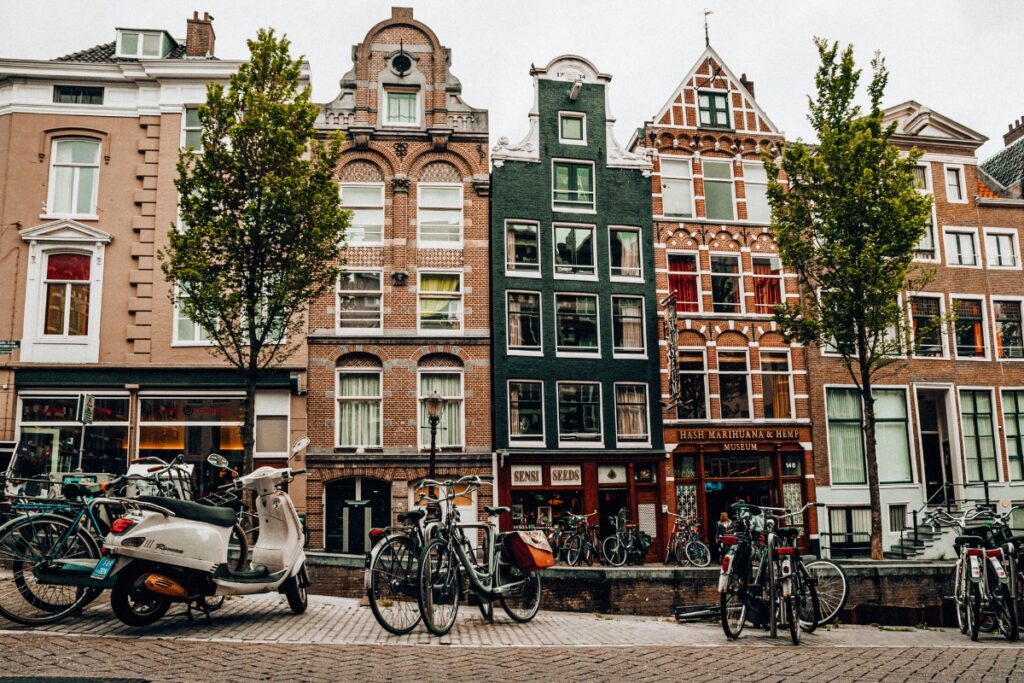
The city has more than 100 kilometers of canals and more bridges than many people expect. Its historic canal belt is one of the most recognizable cityscapes in Europe.
But Amsterdam is not the only Dutch canal city. Utrecht, Leiden, Delft, Haarlem and Amersfoort also have beautiful waterways, often with a calmer atmosphere than the capital.
5. Dutch People Are Among the Tallest in the World
The Dutch are among the tallest people in the world, and visitors often notice it quickly.
Doorways, bicycles and even eye contact can feel slightly different when you are surrounded by tall locals. Researchers often connect Dutch height to a mix of diet, healthcare, genetics and living conditions.
It is a simple fact, but it is one travelers remember. Especially when standing in a crowded train or café.
6. Schiphol Airport Is Built Below Sea Level
Amsterdam Airport Schiphol is one of Europe’s busiest airports, but it sits several meters below sea level.
The name “Schiphol” is often linked to the area’s history as former waterland. Today, millions of travelers land there every year without realizing they are arriving below sea level.
It is a perfect first example of how normal water engineering feels in the Netherlands. Even the airport depends on the Dutch relationship with water.
7. Orange Is the National Color, But Not on the Flag
The Dutch flag is red, white and blue. Still, the color most associated with the Netherlands is orange.
This comes from the House of Orange-Nassau, the Dutch royal family. On King’s Day, during major football matches and at national events, the country turns orange.
Visitors who arrive during King’s Day often find entire streets, canals and city squares filled with people dressed in orange from head to toe.
8. Dutch Farmers Helped Make Carrots Orange
Carrots were not always mainly orange. Older varieties came in colors such as purple, yellow and white.
The orange carrot became popular in the Netherlands, often linked to Dutch growers and the House of Orange. Whether every part of the story is legend or history, the result is memorable: one of the world’s most familiar vegetables became strongly associated with Dutch farming.
It is one of those small food facts that connects Dutch agriculture, history and national color in a surprisingly fun way.
9. The Dutch Eat Chocolate Sprinkles for Breakfast
In the Netherlands, chocolate sprinkles are not just for cakes. They are a normal breakfast topping.
Dutch hagelslag is usually eaten on buttered bread. Children love it, but many adults still eat it too. You will find entire supermarket shelves filled with different types of sprinkles.
For visitors, this is one of the easiest Dutch customs to try. It is simple, sweet and very local.
10. Stroopwafels Started as a Cheap Sweet Snack
A stroopwafel is made from two thin waffles with a syrup filling in the middle.
This famous Dutch treat originated in Gouda and is now one of the country’s best-known sweets. Supermarket versions are common, but fresh warm stroopwafels from a market are much better.
A good tip for visitors: place a stroopwafel on top of a cup of coffee or tea for a minute. The steam softens the syrup inside.
11. The Netherlands Is Serious About Cheese
Dutch cheese is famous around the world. Gouda, Edam and Maasdam are some of the best-known varieties.
Cheese is not only a product here. It is part of everyday Dutch food culture. You will see cheese shops in historic towns, cheese stalls at markets and cheese sandwiches in lunchboxes.
Traditional cheese markets in places like Gouda and Alkmaar also show how important cheese has been to Dutch trade and identity.
12. Dutch Licorice Can Surprise First-Time Visitors
The Dutch love licorice, especially salty licorice.
For many international visitors, this is one of the strangest Dutch food experiences. Sweet licorice is familiar to many people, but salty Dutch drop can be intense.
Still, it is worth trying at least once. Even if you dislike it, you will understand a very real part of Dutch snack culture.
13. Dutch People Are Famous for Being Direct
Dutch people are known for their direct communication style.
They often say what they mean without adding much politeness around it. To visitors, this can sometimes feel blunt. In Dutch culture, however, directness is usually seen as honest, practical and efficient.
Once you understand this, everyday conversations become easier to interpret. A direct answer is usually not meant to be unfriendly.
14. “Gezelligheid” Is One of the Most Dutch Words
Gezelligheid is a Dutch word that has no perfect English translation.
It describes a cozy, warm, pleasant feeling, often connected to spending time with others. A café can be gezellig. A family dinner can be gezellig. Even a small town street with lights in the evening can feel gezellig.
Understanding this word helps you understand Dutch culture. The Netherlands may be practical and direct, but it also values comfort, atmosphere and togetherness.
15. Sinterklaas Helped Inspire Santa Claus
The Dutch tradition of Sinterklaas is older than the modern image of Santa Claus.
Sinterklaas arrives in the Netherlands in November and is celebrated in early December. Children place shoes near the fireplace or door, sing songs and receive small gifts or sweets.
The tradition traveled with Dutch settlers and influenced the development of Santa Claus in North America.
16. The Netherlands Has a King
The Netherlands is officially a kingdom.
King Willem-Alexander became king in 2013, and the Dutch royal family still plays an important symbolic role. The country itself is a constitutional monarchy, meaning the government is democratic while the monarch has a ceremonial position.
King’s Day, held in April, is the most visible royal celebration. It is also one of the best days to experience Dutch street culture.
17. Rotterdam Is the Country’s Modern Architecture City
Rotterdam feels very different from Amsterdam, Utrecht or Haarlem.
Because much of the city center was destroyed during World War II, Rotterdam was rebuilt with modern architecture, wide streets and bold design. The Erasmus Bridge, Cube Houses and Markthal are some of its best-known landmarks.
This makes Rotterdam one of the best places to see the modern side of the Netherlands.
18. The Dutch Golden Age Changed Art and Trade
During the 17th century, the Netherlands became one of the world’s most important trading powers.
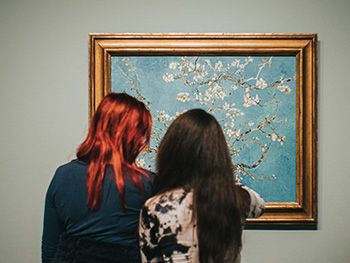
This period, often called the Dutch Golden Age, also produced some of Europe’s most famous painters, including Rembrandt and Vermeer. Today, visitors can see Dutch art in museums such as the Rijksmuseum, Van Gogh Museum and Mauritshuis.
It is one reason the Netherlands has such a strong museum culture for a relatively small country.
19. Windmills Were Working Machines
Windmills are one of the classic symbols of Holland, but they were never just decorative.
Dutch windmills were used to pump water, grind grain, saw wood and support local industry. Places like Kinderdijk show how important windmills were in water management.
Seeing windmills in real life gives visitors a better understanding of the Dutch landscape. They are beautiful, but they were also practical tools.
20. The Netherlands Is Densely Populated, But Still Green
The Netherlands is one of the most densely populated countries in Europe, yet it still has forests, dunes, heathlands, wetlands and national parks.
That contrast surprises many visitors. You can spend the morning in a busy city and the afternoon walking through quiet nature.
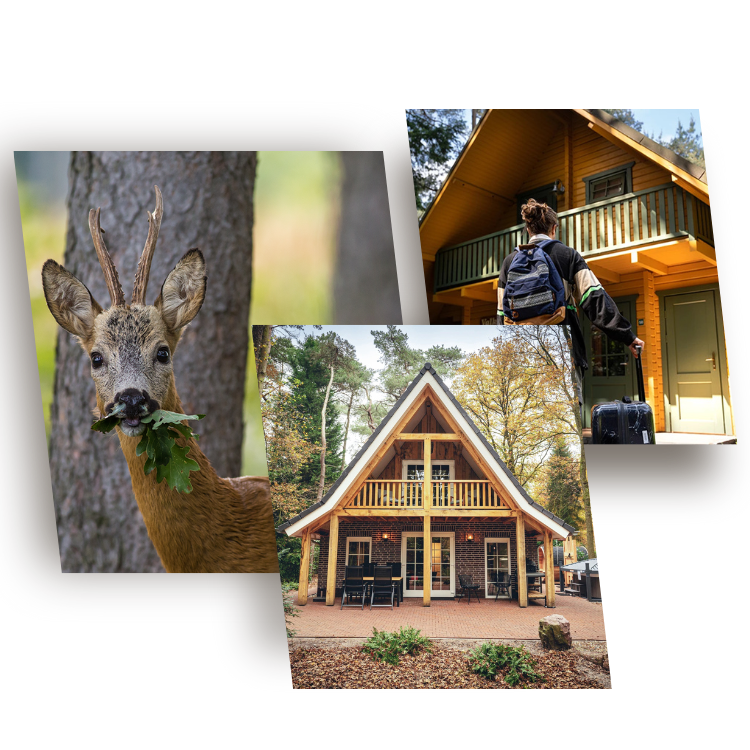
Central areas of the Netherlands are especially useful for this. Around places like Soest, the landscape quickly changes from forest to dunes, heathland, villages and historic cities.
21. Friesland Has Its Own Official Language
In the northern province of Friesland, many people speak Frisian as well as Dutch.
Frisian is an official language and is considered one of the closest living relatives of English. You will see it on signs, hear it in daily life and find it used in schools and local media.
This surprises many visitors who assume Dutch is the only language spoken in the Netherlands.
22. The Dutch Love Festivals and Street Celebrations
The Dutch calendar is full of festivals, markets and public celebrations.
King’s Day is the most famous, but there are also music festivals, flower events, food markets, cultural festivals and local celebrations throughout the year.
This makes timing important when planning a trip. Visiting during the right season can add tulip fields, outdoor terraces, festivals or Christmas markets to your itinerary.
23. Dutch Water Management Is World Famous
The Netherlands is internationally respected for its water management systems.
Projects like the Delta Works and Maeslant Barrier protect the country from flooding. Dutch engineers also advise other countries on water safety, coastal protection and climate adaptation.
For visitors, this makes the Dutch landscape more interesting. Dikes, rivers, canals and sea walls are not just background scenery. They tell the story of how the country survives and grows.
24. You Can See a Lot of the Netherlands From One Base
One of the biggest surprises for visitors is how compact the Netherlands is.
Amsterdam, Utrecht, Amersfoort, Rotterdam, The Hague and many smaller historic towns can often be visited as day trips. That means you do not always need to change hotels every few nights.
For many travelers, staying in a quiet central location is more relaxing. You can enjoy nature in the evening, then visit a city, museum, castle, beach or national park the next day.
25. There Is Much More to the Netherlands Than Amsterdam
Amsterdam is beautiful and worth visiting, but it is only one part of the Netherlands.
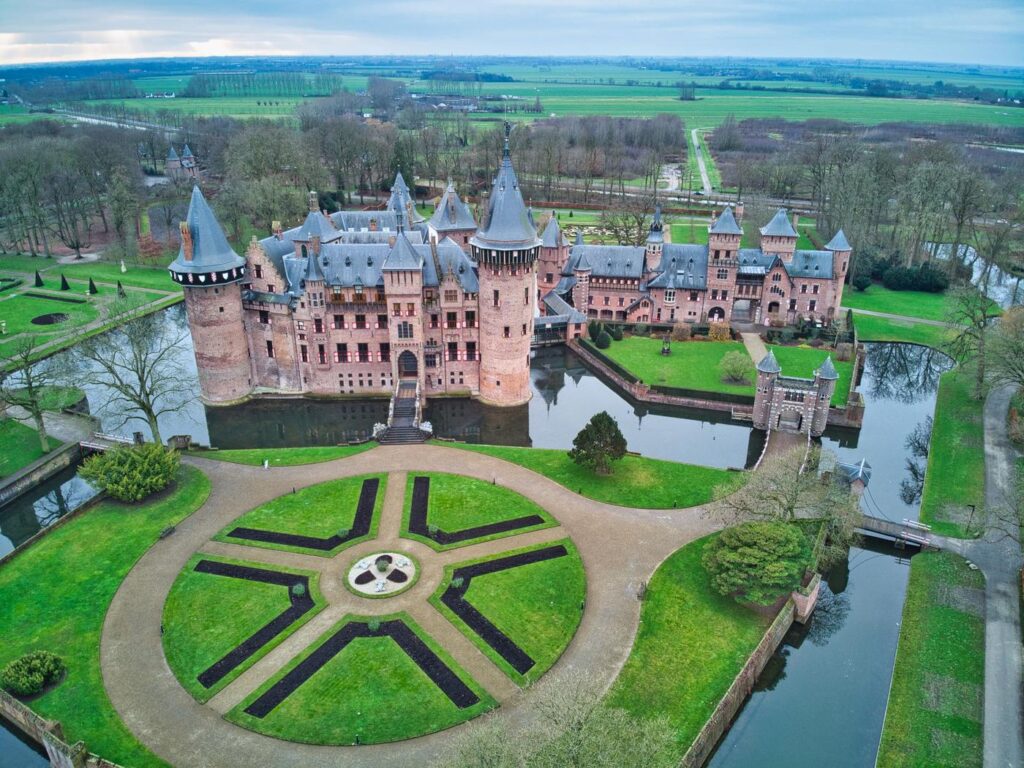
The country also has canal towns, castles, forests, dunes, flower fields, fishing villages, modern architecture, islands, museums and cycling routes. Many visitors enjoy their trip more once they explore beyond the capital.
That is what makes the Netherlands such a rewarding travel destination. It is small enough to explore easily, but varied enough to keep surprising you every day.