The Netherlands may be small, flat and densely populated, but it is also full of water. Canals, rivers, lakes, polders, harbors and coastal areas make fishing in the Netherlands surprisingly varied and accessible.
For visitors, that is exactly what makes Dutch fishing interesting. You do not need to travel deep into the wilderness to find good fishing water. In many places, you can fish beside a quiet canal in the morning, visit a historic town in the afternoon and return to a peaceful nature area in the evening.
Dutch waters are home to species such as pike, perch, zander, carp, bream, roach, trout and catfish. Whether you are an experienced angler or a beginner looking for a calm outdoor activity, fishing in Holland can be a rewarding part of your trip.
Quick Fishing Facts About the Netherlands
- Fishing license needed? Usually yes
- Main permit: VISpas
- Best season: Spring through autumn
- Common fish species: Pike, perch, zander, carp, bream and roach
- Popular fishing styles: Lure fishing, feeder fishing, carp fishing and canal fishing
- Good for beginners? Yes, especially canals, lakes and easy-access waters
- Sea fishing possible? Yes, along the North Sea coast
- Best travel style: Stay centrally and explore different waters by day trip
Contents
- Is Fishing Good in the Netherlands?
- Do You Need a Fishing License in the Netherlands?
- Can Tourists Fish in the Netherlands?
- Best Fish Species in Dutch Waters
- Best Fishing Locations in the Netherlands
- Fishing in Dutch Canals and Cities
- Best Time for Fishing in the Netherlands
- Fishing Equipment for Dutch Waters
- Best Bait and Lures in the Netherlands
- Popular Fishing Styles in Holland
- Fishing Tips for Beginners
- Coastal and Sea Fishing in the Netherlands
- Night Fishing and Special Rules
- Staying Near Nature and Fishing Waters
- Final Tips for a Relaxed Dutch Fishing Trip
1. Is Fishing Good in the Netherlands?
Fishing in the Netherlands is better than many visitors expect.
The country has an enormous network of Dutch waters, including canals, lakes, rivers, creeks, polders and coastal areas. Because water is everywhere, fishing is not limited to remote locations. You can find fishing opportunities close to villages, cities, forests, farmland and nature reserves.
The Netherlands is especially good for anglers who enjoy accessible fishing. Many waters can be reached by foot, bicycle or a short drive. That makes it easy to combine fishing with a relaxed holiday, family trip or longer stay in nature.
The country is also well organized. Fishing clubs, local rules, permits and managed waters are a normal part of Dutch fishing culture. For visitors, this means the experience is usually clear and structured, as long as you check the rules before casting.
2. Do You Need a Fishing License in the Netherlands?
In most freshwater locations, you need a fishing permit in the Netherlands.
The main fishing license is called the VISpas. This permit gives access to many fishing waters across the country, including canals, lakes and rivers that are included in the national system.
You should not assume that every water is free to fish. Some locations have extra restrictions, private rules or local permissions. Night fishing, fishing with multiple rods and fishing in certain nature areas may require additional permission.
Important things to remember:
- Fishing without the correct permit can lead to fines
- Some waters have specific local rules
- Protected species and closed seasons may apply
- Night fishing is not allowed everywhere
- Catch and release is common for many species
Before fishing, always check whether your chosen location is included in your permit.
3. Can Tourists Fish in the Netherlands?
Yes, tourists can fish in the Netherlands, but they usually need the correct permit.
For international visitors, the VISpas system can feel a little confusing at first. The important point is simple: check the water before you fish. Dutch fishing rules are taken seriously, and local enforcement is possible.
For a short trip, some visitors choose easy-access commercial fishing waters or guided fishing experiences. Others arrange a VISpas if they plan to fish multiple days in public waters.
If you are staying longer or want to explore different Dutch waters, arranging the right fishing permit is usually worth it.
4. Best Fish Species in Dutch Waters
Dutch waters offer a good variety of fish species. The most interesting species depend on where and how you fish.
Pike
Pike are one of the most exciting freshwater species in the Netherlands. They are often found near reeds, canals, shallow lakes and slower waters.
Pike fishing is popular with lure anglers, especially in autumn and winter. Larger pike can be found in many Dutch waters, although local rules and seasons should always be checked.
Perch
Perch are common throughout the Netherlands. They are often caught in canals, rivers, harbors and city waters.
For beginners, perch can be a fun species to target because they are active and often easier to locate than larger predators. For experienced anglers, big perch can still provide a real challenge.
Zander
Zander are highly popular among Dutch anglers. They are often found in deeper canals, rivers, harbors and larger lakes.
Zander fishing usually involves soft lures, jigging and careful fishing near structures or deeper water. This makes them especially interesting for anglers who enjoy a more technical approach.
Carp
Carp fishing has a strong following in the Netherlands.
Carp can be found in canals, lakes, commercial waters and quieter polders. Some anglers plan entire fishing weekends around carp, using dedicated equipment and longer sessions.
Bream and Roach
Bream and roach are common coarse fish in Dutch waters. They are good species for beginners, feeder fishing and relaxed sessions.
These fish are often found in canals, lakes and slow-moving waters.
Catfish, Trout and Other Species
Some Dutch waters also hold catfish, trout, whitefish and other species. Trout are more often associated with stocked waters, while catfish are more location-specific.
The variety of species is one reason fishing in Holland can suit different experience levels.
5. Best Fishing Locations in the Netherlands
The best fishing locations in the Netherlands depend on your style, experience and target species.
Friesland
Friesland is one of the best-known fishing regions in the Netherlands. It has lakes, canals and peaceful waterways surrounded by open landscapes and small villages.
It is especially attractive for pike, perch, coarse fishing and relaxed fishing holidays.
IJsselmeer
The IJsselmeer is one of the most famous freshwater areas in the country.
This large lake is known for perch, zander and pike. Boat fishing is common here, although shore fishing is also possible in some places.
Dutch Canals
Canals are among the easiest and most accessible places to fish in the Netherlands.
They can hold perch, pike, zander, bream, roach and carp. Smaller towns often have quiet canal spots where fishing feels peaceful and local.
Rivers
Dutch rivers can offer excellent fishing, especially for anglers with more experience.
Rivers often require better knowledge of depths, currents, structures and safe access points. They can be productive, but beginners may find canals and lakes easier.
Polders and Lakes
Polder waters and smaller lakes are ideal for anglers who enjoy peaceful surroundings.
These areas often feel more rural and less busy than famous city waters. They are also a good match for slow travel, nature walks and quiet mornings outdoors.
6. Fishing in Dutch Canals and Cities
One of the most unique things about fishing in the Netherlands is how close it can be to everyday life.
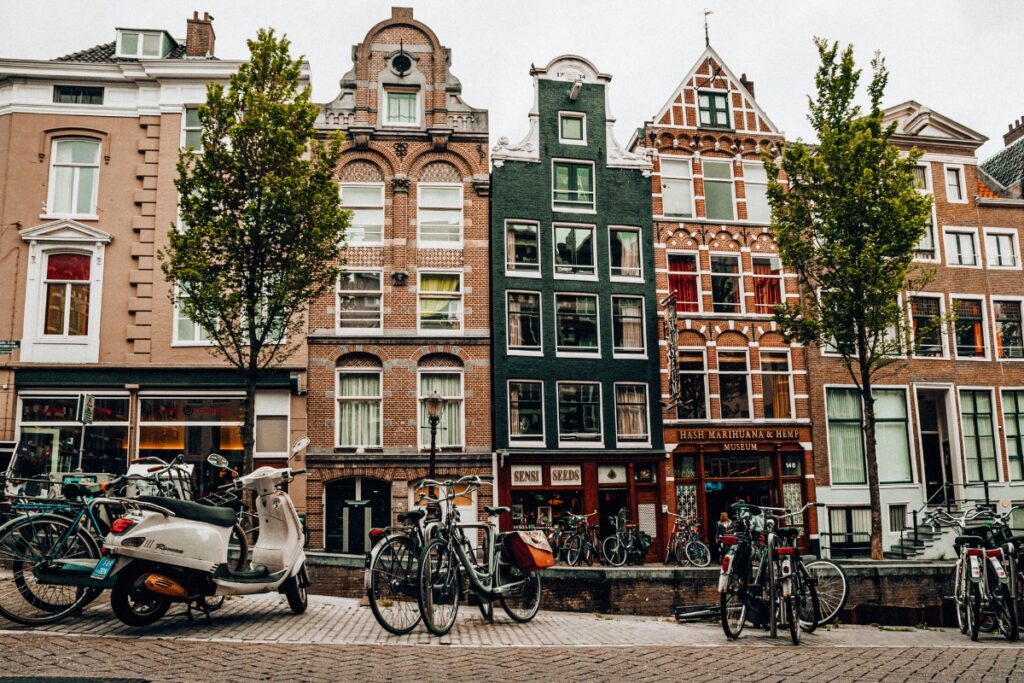
In many cities and towns, people fish beside canals, bridges, bicycle paths and harbors. In places like Amsterdam, Utrecht, Rotterdam and smaller historic towns, anglers can often be seen fishing only minutes away from cafés, shops and train stations.
Street fishing has become popular in Dutch cities, especially for perch and zander. It usually involves lightweight equipment, artificial lures and moving from spot to spot.
For visitors, canal fishing is often the easiest way to experience Dutch fishing without needing a boat or complicated planning.
7. Best Time for Fishing in the Netherlands
Fishing is possible throughout the year, but spring, summer and autumn are generally the most comfortable seasons.
Spring
Spring is a good time for active fish, greener landscapes and improving weather. It is also a pleasant season for visitors who want to combine fishing with cycling, walking or sightseeing.
Summer
Summer offers long daylight hours and mild evenings. Early morning and evening sessions are often best, especially during warmer days.
Autumn
Autumn is excellent for predator fishing. Pike, perch and zander often become more active as temperatures cool.
It is also one of the most atmospheric seasons to fish in the Netherlands, especially near forests, lakes and quiet canals.
Winter
Winter fishing can be slower and colder, but dedicated anglers still target pike, perch and zander. Warm clothing and patience become much more important.
8. Fishing Equipment for Dutch Waters
You do not always need heavy equipment to fish in the Netherlands.
For many visitors, a compact travel setup is enough, especially for canal fishing, perch fishing or short sessions near lakes and polders.
Useful fishing equipment for Dutch waters includes:
- A light or medium spinning rod
- A reel with suitable line for perch, pike or zander
- A small box of lures
- A landing net
- Pliers for safe hook removal
- Waterproof clothing
- Polarized sunglasses
- Comfortable shoes for walking along canals or banks
If you plan to fish for pike, use stronger tackle and suitable leaders. Pike have sharp teeth, so light line alone is not a good idea.
For carp fishing, feeder fishing or longer sessions, you may need more specific equipment. Local tackle shops can usually advise on what works in nearby waters.
9. Best Bait and Lures in the Netherlands
The best bait depends on the fish species and the type of water.
For Perch
Small soft lures, spinners and dropshot rigs are popular for perch. Perch can often be found near bridges, canal edges, harbors and structures.
For Zander
Soft plastics and jig heads are commonly used for zander. Deeper canals, rivers and harbor areas are often productive.
For Pike
Larger lures, jerkbaits, spinnerbaits and dead bait are often used for pike. Always check local rules, because bait regulations can vary.
For Carp
Corn, boilies, pellets and other carp baits are commonly used. Carp fishing often requires patience and a quieter approach.
For Bream and Roach
Worms, bread, maggots and feeder bait are often used for bream, roach and other coarse fish.
For beginners, simple bait fishing or light lure fishing is usually the easiest way to start. If you are unsure, a local fishing shop is often the best place to ask what is working that week.
10. Popular Fishing Styles in Holland
Different Dutch waters suit different fishing styles.
Lure Fishing
Lure fishing is popular for pike, perch and zander. It works well in canals, city waters, rivers and lakes.
It is also practical for visitors because you can travel light and cover more water.
Feeder Fishing
Feeder fishing is common for bream, roach and other coarse fish. It is usually done from the bank and suits calmer waters.
Carp Fishing
Carp fishing is popular in lakes, canals and managed fishing waters. It often involves longer sessions and more equipment.
Fly Fishing
Fly fishing is possible in the Netherlands, although it is less dominant than in countries with mountain streams. Some anglers use fly fishing techniques for trout, perch or pike.
Boat and Bellyboat Fishing
Boat fishing is popular on larger lakes such as the IJsselmeer. Bellyboats are also used by experienced anglers on suitable waters.
Visitors should only use boats or bellyboats where it is safe and allowed.
11. Fishing Tips for Beginners
Fishing in the Netherlands can be beginner-friendly if you keep it simple.
Start with easy-access waters such as canals, small lakes or commercial fishing locations. Avoid complicated rivers or large open waters until you understand the conditions better.
Good beginner tips:
- Check your permit before fishing
- Start with one rod and simple equipment
- Ask a local tackle shop for current advice
- Fish early in the morning or later in the evening
- Bring waterproof clothing
- Respect private property and nature areas
- Handle fish carefully and release them properly
Beginners often do best when they focus less on catching the biggest fish and more on enjoying the setting. Dutch fishing is as much about peace, nature and quiet time near the water as it is about catches.
12. Coastal and Sea Fishing in the Netherlands
The Netherlands also offers coastal and sea fishing along the North Sea.
Sea bass, flatfish, mullet and other saltwater species can be found depending on the location and season. Popular coastal fishing areas include beaches, piers, harbors and sea walls.
Sea fishing is different from canal or lake fishing. Tides, wind, safety and local access rules matter more. Beginners should be careful near strong currents, slippery rocks and exposed piers.
For many visitors, freshwater fishing is easier to start with. But for experienced anglers, the Dutch coast adds another layer of opportunity.
13. Night Fishing and Special Rules
Night fishing is possible in some Dutch waters, but not everywhere.
In many cases, you need additional permission. Some waters also have rules about tents, shelters, number of rods, bait types or fishing hours.
This is especially important for carp anglers, who often prefer longer sessions or overnight fishing.
Before planning a night fishing trip, check:
- Whether night fishing is allowed
- Whether extra permission is needed
- Whether shelters or bivvies are allowed
- How many rods you may use
- Whether the water has local restrictions
Dutch fishing rules are usually manageable, but you should never guess.
14. Staying Near Nature and Fishing Waters
If fishing is part of your trip, staying outside the busiest city centers can make the experience much more enjoyable.
A quiet base near forests, lakes, villages and smaller roads gives you more flexibility. You can fish early in the morning, return for breakfast, visit a nearby town, then explore another water or nature area later in the day.
Central Netherlands is especially practical because many landscapes are close together. Canals, rivers, lakes, forests, heathlands and historic cities can often be reached within short travel times.
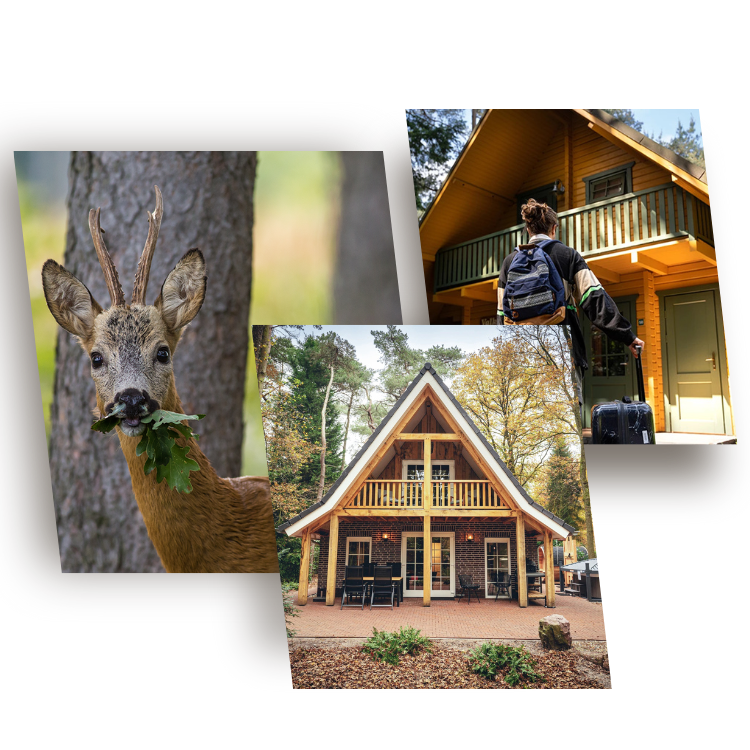
For visitors who want nature, peace and easy access to outdoor activities, ’t Eekhoornnest near Soest is a strong base. It is located in a quieter, green part of the Netherlands while still offering good access to central Dutch towns, nature areas and day-trip routes.
That makes it a good fit for travelers who want more than just city sightseeing.
15. Final Tips for a Relaxed Dutch Fishing Trip
Fishing in the Netherlands is not about remote wilderness. It is about variety, accessibility and calm moments beside the water.
You can fish in a quiet canal, near a historic town, beside a lake, in a polder or along the North Sea coast. You can bring serious equipment or keep things simple with a light travel setup.
The best approach is to plan realistically. Check your VISpas, choose suitable waters, bring weatherproof clothing and keep your expectations flexible.
For many visitors, the charm of fishing in Holland is the setting itself: still water, passing bicycles, birds in the reeds, small villages nearby and the feeling that nature is never far away.