Many travelers do not immediately think of the Netherlands as a hiking destination. The country is often associated with canals, bicycles and cities like Amsterdam or Rotterdam. But once visitors explore central Netherlands, they discover a very different side of the country: forests, heathlands, drifting sand dunes, quiet estates, wildlife areas and surprisingly peaceful hiking trails.
One of the biggest advantages of hiking in the Netherlands is accessibility. Landscapes change quickly, distances are short and many trails are easy to reach by train, bicycle or car. You can spend the morning walking through forests or heathlands and still visit a historic town or café in the afternoon.
For travelers who enjoy nature, slower travel and flexible day trips, central Netherlands is one of the best hiking regions in Holland.
Quick Hiking Facts About the Netherlands
- Best hiking region: Central Netherlands and the Utrechtse Heuvelrug
- Best hiking seasons: Spring and autumn
- Good for beginners? Yes, Dutch trails are usually well marked and accessible
- Can you hike without a car? Very easily
- Best landscapes: Forests, heathlands, sand dunes, wetlands and estates
- Most famous long-distance trail: Pieterpad
- Best hiking style: Day hikes combined with a central stay location
- Best region near cities and nature: Utrecht region and central Netherlands
Contents
- Why Central Netherlands Is One of the Best Hiking Areas in Holland
- The Different Landscapes You Can Explore
- Best Hiking Areas in Central Netherlands
- Long-Distance Hiking Trails in the Netherlands
- Can You Hike in the Netherlands Without a Car?
- Best Seasons for Hiking in Holland
- Wildlife and Nature in Dutch Hiking Areas
- Hiking Tips for Visitors
- Where to Stay for Hiking in the Netherlands
- Why Hiking in Holland Feels Different
1. Why Central Netherlands Is One of the Best Hiking Areas in Holland
Central Netherlands combines many things that hikers usually want: quiet nature, short travel distances, well-maintained trails and easy access to towns, cafés and accommodations.
The region around the Utrechtse Heuvelrug is especially good for hiking because it offers a mix of forests, heathlands, estates, sand dunes and cycling paths without feeling remote or difficult to navigate.
Unlike mountain regions elsewhere in Europe, hiking in Holland is less about steep climbs and more about atmosphere, variety and accessibility. Trails often pass through pine forests, open heath, historic villages, castles and peaceful countryside within the same walk.
This makes central Netherlands ideal for:
- Relaxed day hikes
- Multi-day hiking holidays
- Nature-focused travel
- Walking without a car
- Combining hiking with cities and culture
For many visitors, it becomes a more peaceful alternative to staying only in Amsterdam or other busy urban areas.
2. The Different Landscapes You Can Explore
One reason hiking in the Netherlands feels more varied than expected is the diversity of landscapes packed into a relatively small area.
Forests
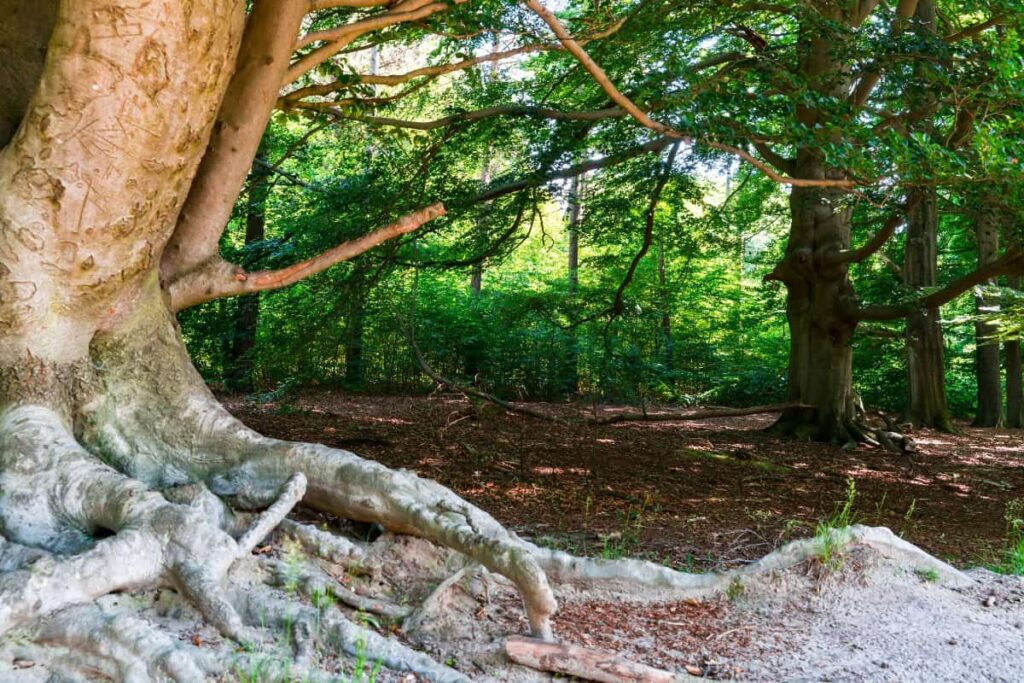
Central Netherlands contains large forest areas with pine trees, beech forests and winding walking trails.
These forests are especially beautiful in autumn when leaves change color and morning fog settles between the trees. Forest trails around Lage Vuursche, Hollandsche Rading and the Utrechtse Heuvelrug are particularly popular for quieter walks.
Heathlands
Dutch heathlands are one of the country’s most unique landscapes.
In late summer, large heath areas turn purple, creating wide open views that feel very different from forests or cities. Ginkelse Heide and Posbank are among the best-known heathland hiking areas.
The combination of open space, soft light and quiet trails gives these areas a very calm atmosphere.
Sand Dunes
Many visitors are surprised to discover inland sand dunes in the Netherlands.
The Soesterduinen are one of the best examples. This area contains open drifting sand surrounded by forests, creating a landscape that almost feels disconnected from the rest of the country.
These dunes are especially beautiful early in the morning or near sunset when the light changes across the sand.
Estates and Castles
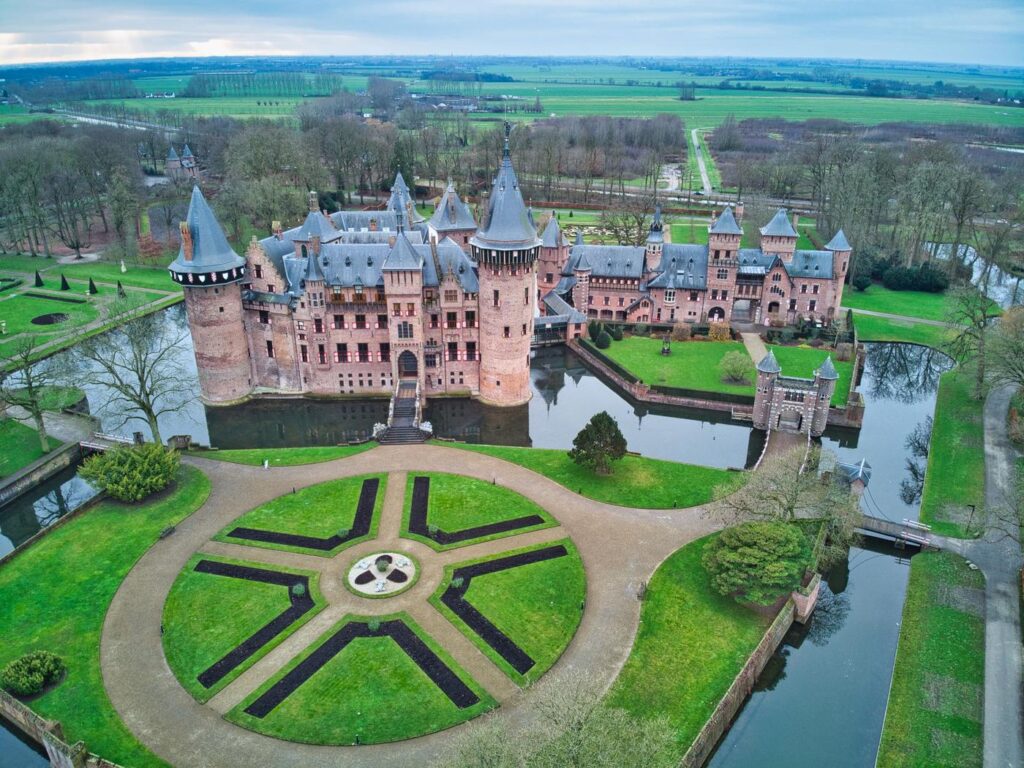
Dutch hiking trails often pass through old estates, manor grounds and castle landscapes.
This gives many walks a historical feeling that is different from more rugged hiking destinations elsewhere in Europe. Around the Utrecht region, trails regularly connect forests, country houses and quiet villages.
Wetlands and Lakes
Wetland areas such as Naardermeer and the Oostvaardersplassen attract birdwatchers and nature lovers from across Europe.
These areas are especially interesting for slower walks focused on wildlife and scenery rather than distance or elevation.
3. Best Hiking Areas in Central Netherlands
Central Netherlands has some of the best hiking routes in Holland because nature areas are close together and easy to combine.
Utrechtse Heuvelrug
The Utrechtse Heuvelrug is one of the country’s best hiking regions.
It combines forests, heathlands, estates, wildlife and quiet walking infrastructure across a long ridge stretching through central Netherlands. Trails vary from short forest walks to full-day hikes.
The area is ideal for travelers who want accessible nature without needing mountain-level hiking experience.
Soesterduinen
The Soesterduinen are among the most unusual landscapes in the Netherlands.
This area combines drifting inland sand dunes with forests and heathland trails. It feels quiet, open and very different from the image many visitors have of Holland.
Because the dunes are located centrally, they work well for shorter day hikes combined with nearby villages or cafés.
Lage Vuursche and Hoge Vuursche
These areas are known for forests, estates and peaceful walking routes.
The trails often pass old country houses, tree-lined paths and traditional Dutch villages. It is one of the best regions for relaxed walking with a slower pace.
Posbank and Veluwezoom
The Veluwezoom National Park and Posbank area are famous for rolling heathlands and panoramic views.
This is one of the most photogenic hiking regions in the Netherlands, especially during late summer when the heath turns purple.
Rhijnauwen and Amelisweerd
Closer to Utrecht city, these areas combine riverside paths, forests and historic estates.
They are excellent for shorter hikes or visitors who want to combine nature with cafés, cycling or city trips.
4. Long-Distance Hiking Trails in the Netherlands
The Netherlands has an impressive network of long-distance hiking trails known as LAW routes.
These trails connect different regions across the country and are usually very well marked.
Pieterpad
The Pieterpad is the most famous long-distance trail in the Netherlands.
It crosses the country from north to south and passes forests, farmland, villages and river landscapes along the way.
Trekvogelpad
The Trekvogelpad is another major hiking trail that crosses large parts of the country, including central Netherlands.
It is especially interesting for hikers who enjoy varied Dutch landscapes and birdwatching areas.
Marskramerpad
This route follows historic trading paths and passes through forests, estates and traditional villages.
Dutch Mountain Trail
Although the Netherlands is mostly flat, the Dutch Mountain Trail in Limburg offers a more rugged hiking experience with steeper climbs and hill landscapes.
For visitors staying in central Netherlands, these long-distance trails can also be explored in shorter sections as day hikes.
5. Can You Hike in the Netherlands Without a Car?
Yes, very easily.
One of the biggest advantages of hiking in Holland is the public transportation system. Many hiking trails can be reached directly by train, bus or bicycle.
The Netherlands also has:
- NS-wandelingen connected to train stations
- Clearly marked hiking junction systems
- GPS-supported hiking routes
- Safe walking infrastructure
- Short travel distances between regions
This makes the country especially attractive for international travelers who prefer not to drive.
In central Netherlands, many hiking areas are located within relatively short distances from each other, making day trips very practical.
6. Best Seasons for Hiking in Holland
Each season offers a different hiking atmosphere in the Netherlands.
Spring
Spring is ideal for fresh green forests, flowering landscapes and mild temperatures.
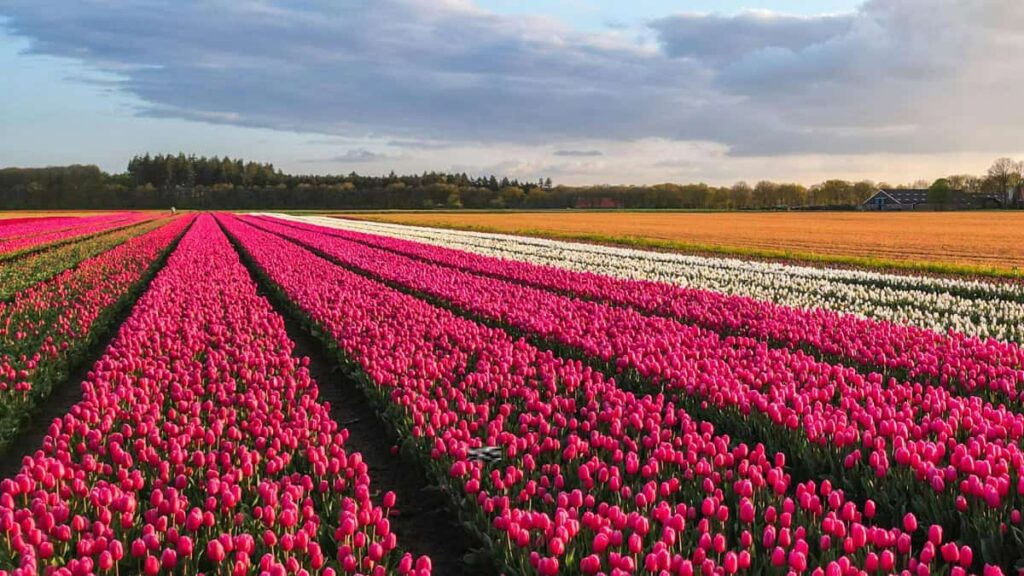
This is also the season when tulip fields bloom in some regions, although central forest areas remain quieter than the busiest tourist locations.
Summer
Summer offers long daylight hours and dry walking conditions.
Heathlands begin turning purple later in the season, and cafés with outdoor terraces become more active.
Autumn
Autumn is one of the best hiking seasons in Holland.
Forests become colorful, temperatures cool down and many trails feel peaceful and atmospheric. Morning mist in forests and heathlands can make walks especially beautiful.
Winter
Winter hikes are quieter and often more dramatic. Fog, frost and empty trails create a completely different mood.
Good waterproof clothing becomes important during colder months.
7. Wildlife and Nature in Dutch Hiking Areas
Dutch hiking trails are not only about landscapes. Wildlife also plays an important role.
Depending on the region, hikers may see:
- Deer
- Highland cattle
- Wild horses
- Foxes
- Rabbits
- Water birds
- Woodpeckers
- Birds of prey
Birdwatchers especially enjoy wetland areas such as Oostvaardersplassen and Naardermeer.
Early mornings are often the best time for wildlife activity, especially in quieter forest and heathland areas.
8. Hiking Tips for Visitors
Hiking in the Netherlands is generally straightforward, but a few simple tips help a lot.
Wear Waterproof Clothing
Dutch weather changes quickly, even in spring and summer.
Start Early
Morning hikes are usually quieter and more atmospheric.
Combine Nature and Towns
One of the strengths of hiking in Holland is how easily nature combines with villages, cafés and historic towns.
Use Local Trail Networks
Dutch hiking junction systems and marked routes are usually excellent.
Do Not Underestimate Distances
Even though the Netherlands is compact, long hiking days can still be tiring, especially when combining trains, walking and sightseeing.
9. Where to Stay for Hiking in the Netherlands
Choosing the right location can make hiking in the Netherlands much easier and more relaxing.
Staying centrally allows you to explore forests, heathlands, dunes, castles and different hiking regions without constantly changing hotels. It also makes day trips simpler, especially for travelers combining nature with Dutch cities and cultural sites.
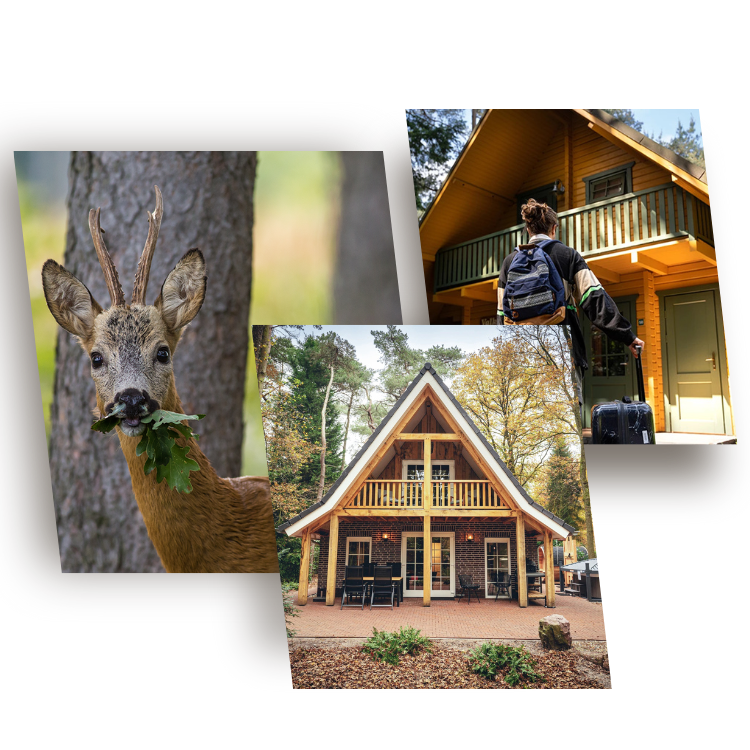
For hikers who want quiet surroundings and direct access to central Dutch nature, ’t Eekhoornnest near Soest is especially well positioned. The area sits close to the Utrechtse Heuvelrug, Soesterduinen, forests, estates and multiple hiking routes while still offering easy connections to cities like Utrecht and Amsterdam.
That combination of nature and accessibility is one reason central Netherlands works so well for hiking holidays.
10. Why Hiking in Holland Feels Different
Hiking in the Netherlands feels different from hiking in mountain regions like Switzerland or Austria.
The experience is less focused on altitude and physical challenge and more focused on atmosphere, variety and accessibility. Trails often pass through landscapes shaped by history, water management, estates and centuries of human use.
You may walk through forests, across heathlands, past castles, beside canals and into villages all within a single day.
For many visitors, that balance becomes the real appeal of hiking in Holland. The country feels calm, manageable and easy to explore, especially when using a central base and taking time to experience the landscapes slowly.