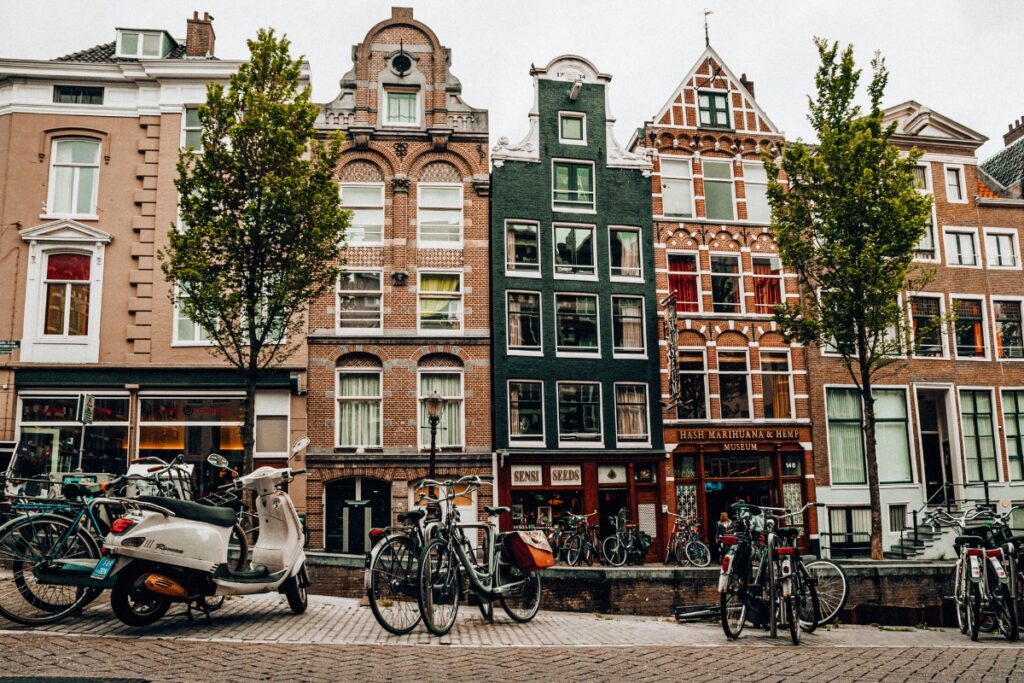
Mention the Netherlands and most people picture Amsterdam’s canals or a field of tulips. But step beyond the cities and a quieter, greener country opens up: rolling forests and heathland, car-free villages threaded with water, windmills turning on the horizon, and centuries-old castles hidden among the trees. The Dutch countryside rewards travelers willing to slow down, and it is far easier to reach than most visitors realize.
This is a guide to experiencing the other Netherlands. Not a checklist of sights to rush through, but the landscapes, villages, and rhythms that make the countryside worth lingering in, and how to base yourself right in the middle of it all.
The Case for Slow Travel in the Netherlands
The Netherlands is one of the most densely populated countries in Europe, yet it holds an extraordinary amount of protected nature, more than twenty national parks, ancient forests, coastal dunes, and wetlands alive with birds. Because the country is so compact, you can trade the crowds of the Randstad cities for genuine wilderness in well under an hour.
Slow travel here means cycling a forest path in the morning, picnicking beside a canal at midday, and watching the light change over heathland in the evening. It means staying put in one peaceful place and letting the landscape come to you, rather than packing and repacking your bags between cities. In a country built for bicycles and laced with quiet trails, it may be the most rewarding way to travel.
Why it works here: Dutch distances are short and the public transport and cycling networks are superb. A single rural base can put forests, villages, beaches, and cities all within a comfortable day’s reach.
The Utrechtse Heuvelrug: The Green Heart of the Country
If the Dutch countryside has a center, it is the Utrechtse Heuvelrug, a national park of undulating forest and heath in the province of Utrecht, right in the middle of the Netherlands. Formed by a glacial ridge pushed up during the last Ice Age, it is the second-largest forest area in the country, a landscape of pine and beech woodland, open heathland, drifting sand, and quiet lakes.
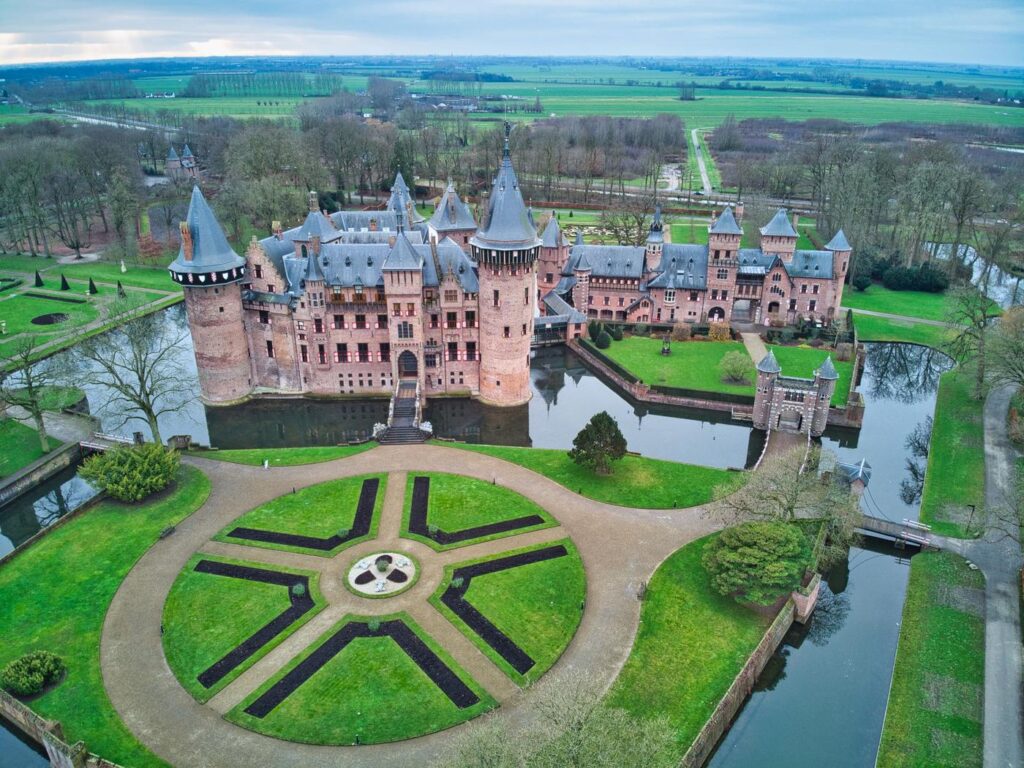
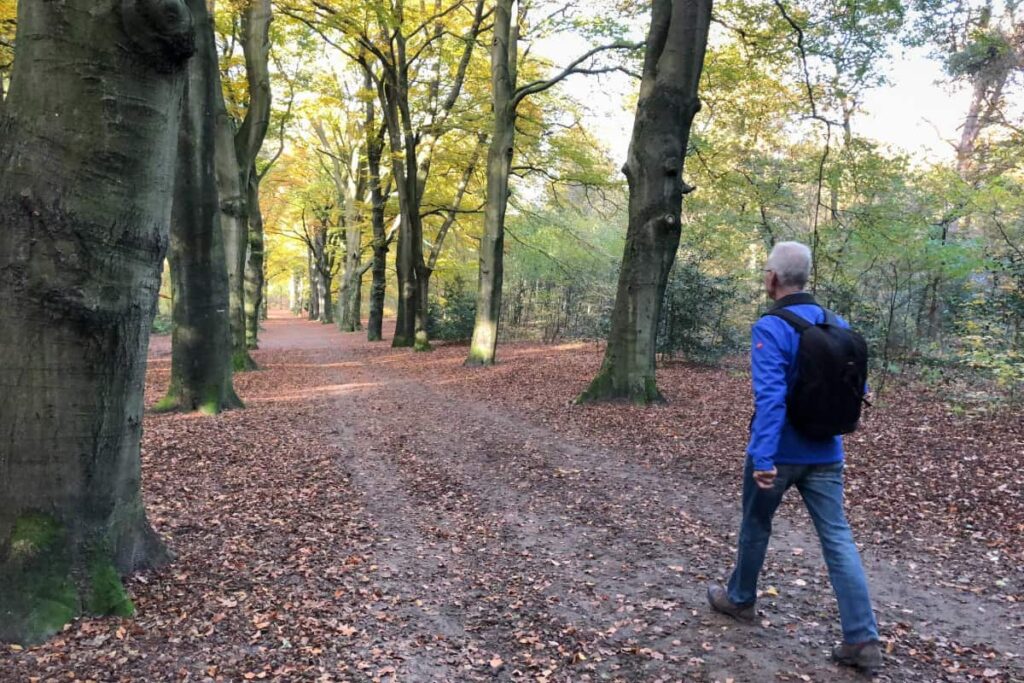
What makes it special is the blend of nature and history. Among the trees you will find grand country estates and castles, such as Amerongen Castle and Slot Zeist, that wealthy families built here generations ago precisely because the landscape was so beautiful. Today the park is woven with marked walking and cycling routes, viewpoints, and spots like the Kaapse Bossen with its lookout tower and teahouse. In autumn, when the leaves turn, it is one of the most atmospheric places in the country for a long walk.
This green heart is also the practical heart. From here, the cities of Utrecht and Amersfoort are minutes away, Amsterdam is under an hour, and the rest of the countryside fans out in every direction. It is the natural place to base a slow-travel trip.
Car-Free Villages and Waterland Landscapes
Giethoorn: The Venice of the Netherlands
Perhaps the most famous village in the Dutch countryside, Giethoorn has no roads through its old center, only canals, footpaths, and around 170 historic wooden bridges linking thatched-roof cottages. The way to explore is by boat, gliding past gardens and cafés before drifting out into the surrounding Weerribben-Wieden National Park, the largest bog landscape in northwest Europe. It is touristy in peak summer, so visit early or in the shoulder seasons for the magic.
Waterland and the Old Fishing Villages
Just north of Amsterdam lies Laag Holland and the Waterland region, a classic Dutch landscape of polders, dikes, and grazing meadows dotted with traditional villages like Marken and Volendam. This is the postcard Netherlands of wooden houses, working harbors, and big skies, all easily explored by bike or local bus.
Zaanse Schans and the Windmills
For windmills, Zaanse Schans on the Zaan river preserves a living slice of the past: historic mills still turning, green wooden houses, a clog workshop, and the chance to taste authentic Dutch cheeses. It is one of the most accessible countryside experiences, just a short ride from Amsterdam.
Nature Beyond the Center
The Dutch countryside is more varied than its flat reputation suggests:
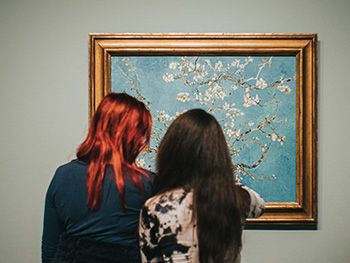
- De Hoge Veluwe National Park offers heathland, forest, and drifting sands, free white bicycles to explore it, abundant wildlife including red deer and wild boar, and the world-class Kröller-Müller Museum with its Van Gogh collection hidden in its heart.
- The Wadden Islands, including Texel, are a UNESCO World Heritage seascape of windswept dunes, vast beaches, and rich birdlife off the northern coast.
- Kinderdijk, a UNESCO World Heritage site, lines up nineteen historic windmills along the water, a monument to Dutch water management.
- Biesbosch National Park is a maze of freshwater creeks and willow forest, best explored by canoe or small boat.
- Zeeland, in the southwest, combines beaches, the engineering marvel of the Delta Works, and a string of historic towns.
How to Explore the Countryside
The Dutch countryside is made for unhurried, low-impact travel:
- By bike: The country’s flat terrain and unrivalled network of bike paths make cycling the ideal way to explore. Many areas rent bicycles, and routes are clearly signposted between villages, forests, and fields.
- By boat: In water-rich areas like Giethoorn and the Biesbosch, a quiet electric boat or canoe is the only way to see the landscape properly.
- On foot: National parks like the Utrechtse Heuvelrug and the Veluwe are laced with walking trails for every level.
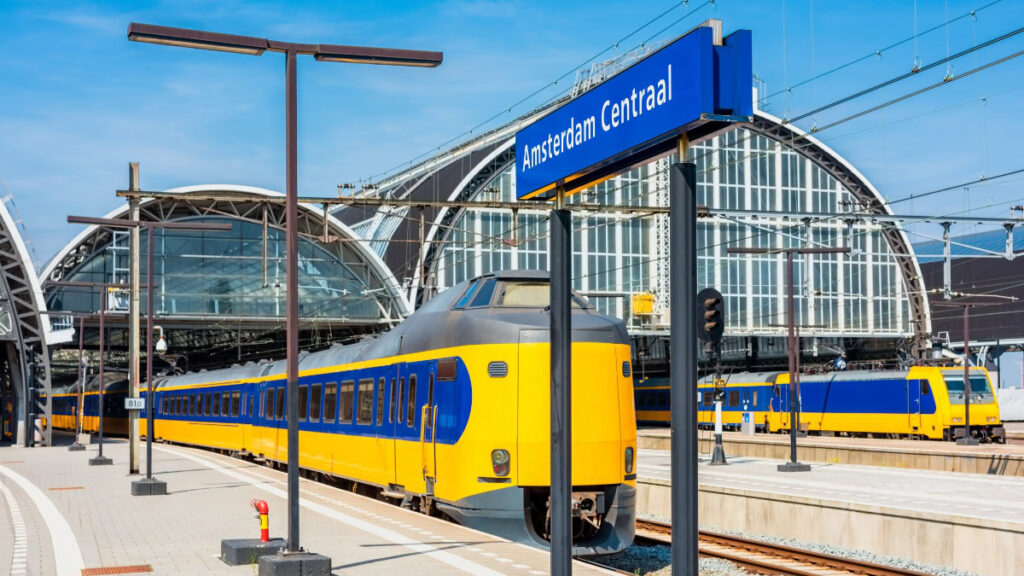
- By train and bus: Public transport reaches the edges of most regions, with local buses covering the final stretch. Tapping a contactless card is the simplest way to pay.
Why a Countryside Base Changes Everything
The travelers who fall in love with the Netherlands are often the ones who resist the urge to spend every night in a city hotel. By basing yourself in the green heart of the country, you get the best of both worlds: deep quiet and nature on your doorstep, with cities and coast a short trip away whenever you want them.
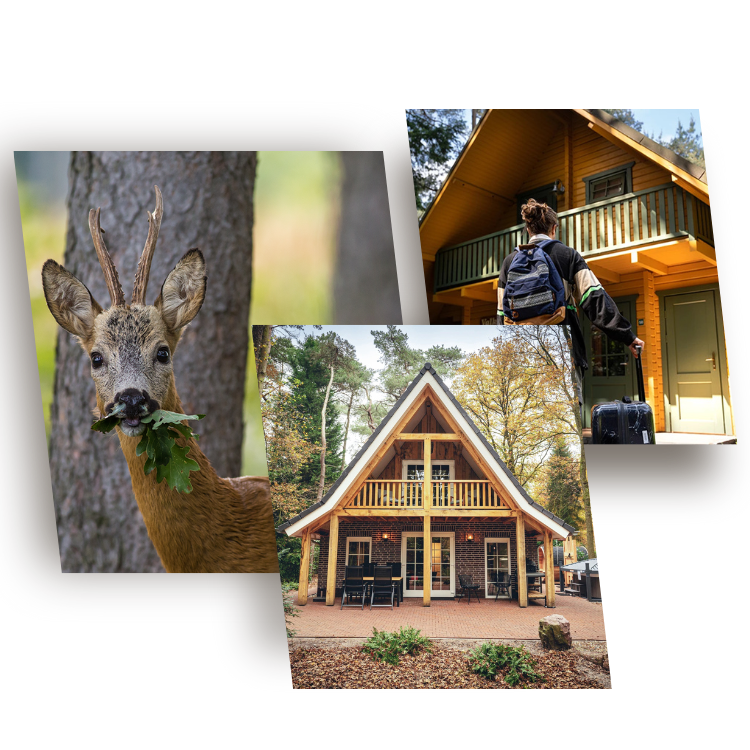
A small, family-run holiday park like Bungalowpark ‘t Eekhoornnest in Soest sits right in this landscape, surrounded by the forests of the Utrechtse Heuvelrug yet centrally placed between Utrecht and Amersfoort. You can step out of your bungalow straight onto a woodland path, cycle through heath and forest, and still reach Amsterdam, the tulip regions, or the Veluwe within an easy day. After a day of exploring, you return not to traffic and noise, but to birdsong and trees.
For families and couples who want to truly experience the Netherlands rather than just tick off its cities, that is the whole point of slow travel.
Plan Your Slow-Travel Escape
The real Netherlands is not only in its famous cities. It is in the forest paths of the Heuvelrug, the silent canals of Giethoorn, the windmills on the horizon, and the unhurried pleasure of a country that invites you to slow down. Base yourself in the heart of it, travel gently, and let the landscape do the rest.
Ready to plan your escape? Discover comfortable bungalows surrounded by forest at Bungalowpark ‘t Eekhoornnest, your peaceful base in the heart of the Dutch countryside.